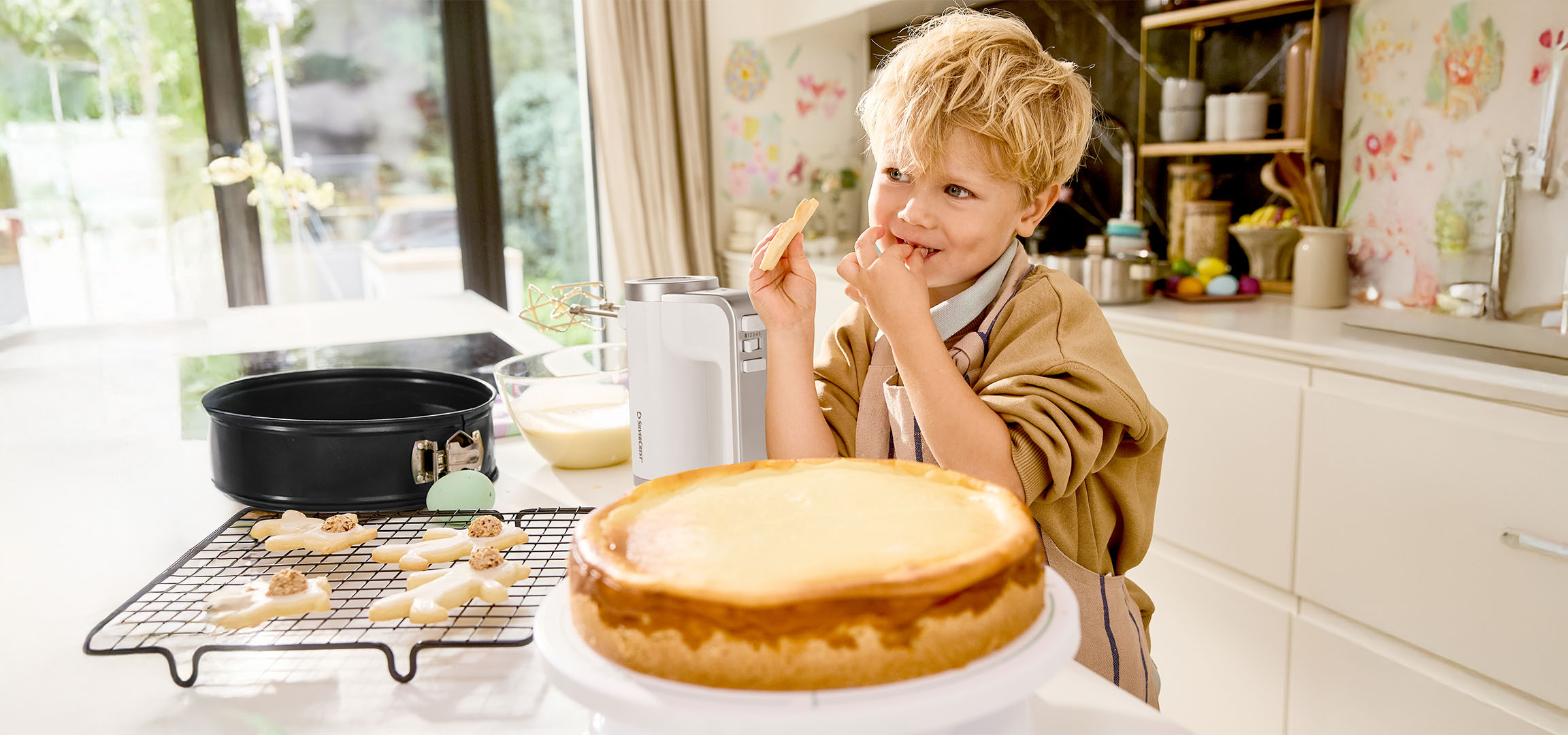
Easter Baking: SOS Tips for Beginners
Dry muffins, burnt cakes, or not enough food prepared for your Easter brunch? Don't panic! With our SOS baking and cooking tips, you can look forward to the upcoming holidays with total relaxation. Something can always go wrong—but from now on, you’ve got everything under control.

Baking is Easy – Isn't It?!
Cooking and baking are rewarding hobbies—and getting started is easier than you think. If you want to bake for your family this Easter, all you need are the right tools, the right mindset, and a few golden rules.
The most important thing to remember? Cooking is about intuition; baking is about precision. While things can get a bit chaotic in pots and pans, discipline rules the cake tin. The more accurately you follow each step, the better your cakes, bread, quiches, and more will turn out. Sound like a challenge? With our tips for Easter baking (and every other baking moment), you'll be doing it with your eyes closed from now on.
Stick Strictly to the Recipe
In baking, chemical reactions are responsible for fluffy dough, crispy crusts, or the exact opposite. As soon as you deviate from the measurements in a recipe or swap out ingredients, these reactions change. Clear signs of measurement or ingredient errors include:
- Baked goods are too dense and heavy (e.g., used oil instead of butter)
- Baked goods are too dry (e.g., too much flour)
- Baked goods won't rise (e.g., wrong leavening agent)
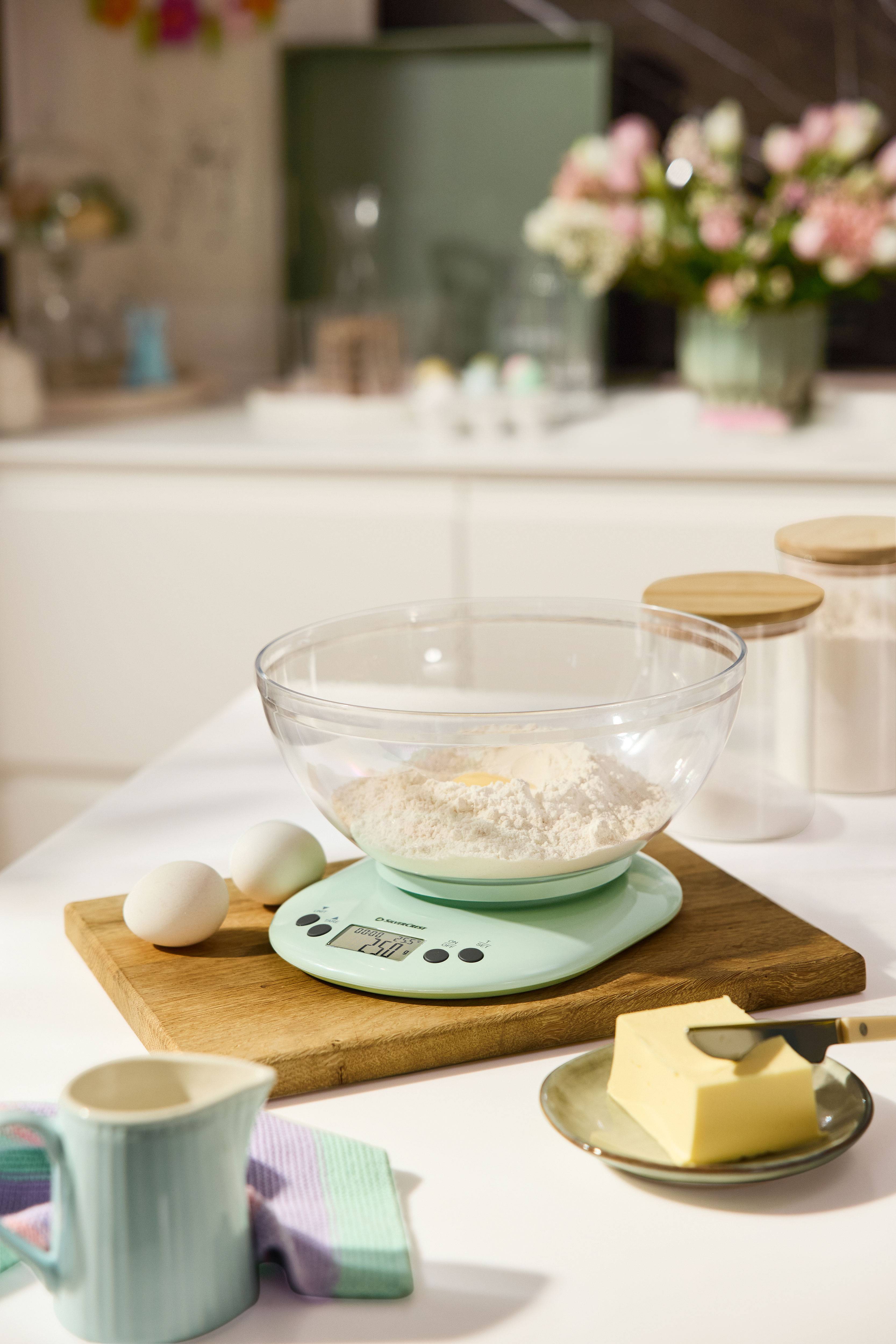
Of course, your masterpiece will still taste good even with mistakes. However, you should always read through every recipe completely before starting and measure all ingredients precisely. It’s best to use a kitchen scale for this—even for liquids.
If you want to swap ingredients, you need to find the perfect substitute. If you use baking soda instead of baking powder, the dough needs additional acid—such as lemon juice or buttermilk. If you want to replace butter with vegetable oil, add a little semolina to the dough so it maintains its light, airy structure.
Properly Mixed is Half Baked
The ingredients are right, the measurements are perfect—so just throw everything together? Absolutely not! Your mixing technique determines the result in the oven. If you mix too little, you'll get lumps in the dough. If you mix too much, it won't rise properly.
The golden rule: Mix your dry and wet ingredients separately before combining them. Flour, baking powder, and the like should be added to the eggs, vanilla, and butter as late as possible.
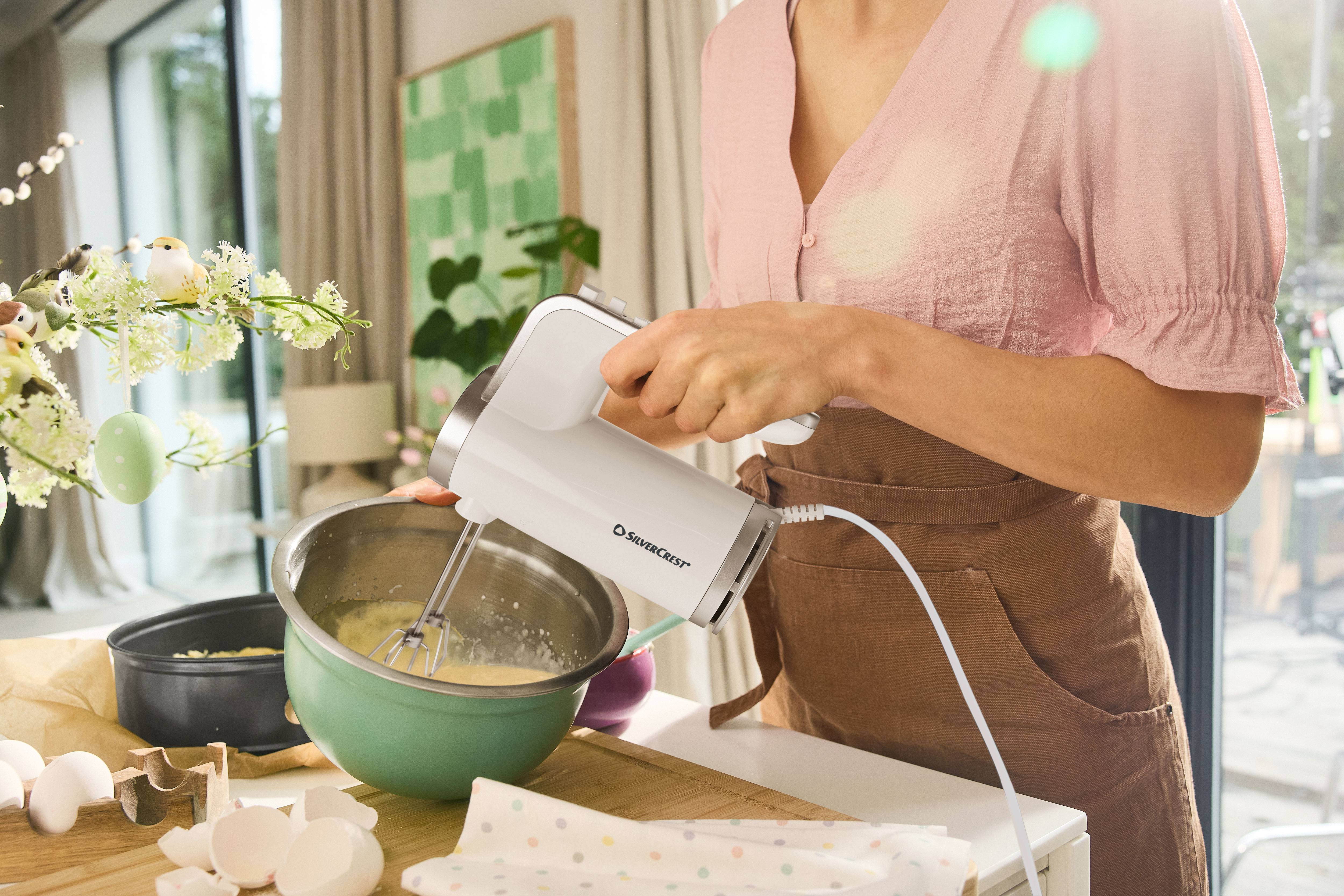
The choice of the right tools and the mixing duration are also vital. For example, if you need to beat ingredients until creamy or frothy, it's best to use a hand mixer or a stand mixer on a low setting for a longer period. Flour and baking powder should be folded in by hand—only until no more flour is visible.
Use the Right Tin
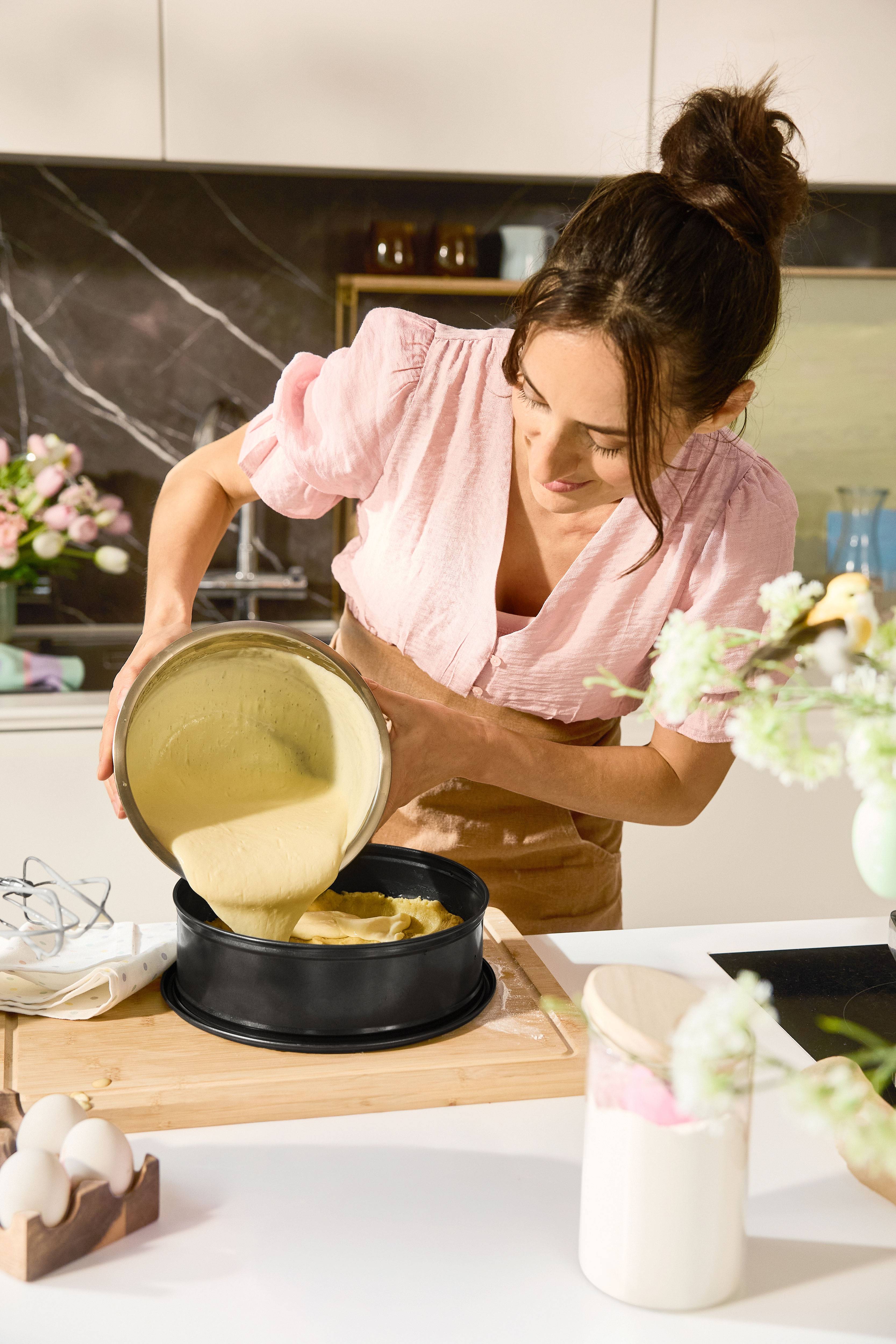
Whether you use silicone baking molds or classic sheet steel pans is up to you. However, the size is more important than the material; it must match the amount of batter. The baking tin should be filled no more than halfway, and the batter must touch the sides. Otherwise, it won't be able to "climb" up the edges and rise beautifully during baking.
Know Your Oven
Where does the most heat build up? Which rack is best for which recipe? Your oven has a mind of its own—and you should get to know it. This is how you prevent serving a cake with a burnt crust while the inside is still raw.
If the surface is browning too quickly, don’t lower the heat; instead, move the baked goods to the lower rack and cover them with a sheet of parchment paper. Once the suggested baking time is up, perform a toothpick test (skewer test) and add a few extra minutes if necessary.
Until you reach the very end of the baking time, one rule is absolute: Keep the oven door closed! Every time you open it, the temperature drops, which can interrupt or alter crucial chemical reactions.
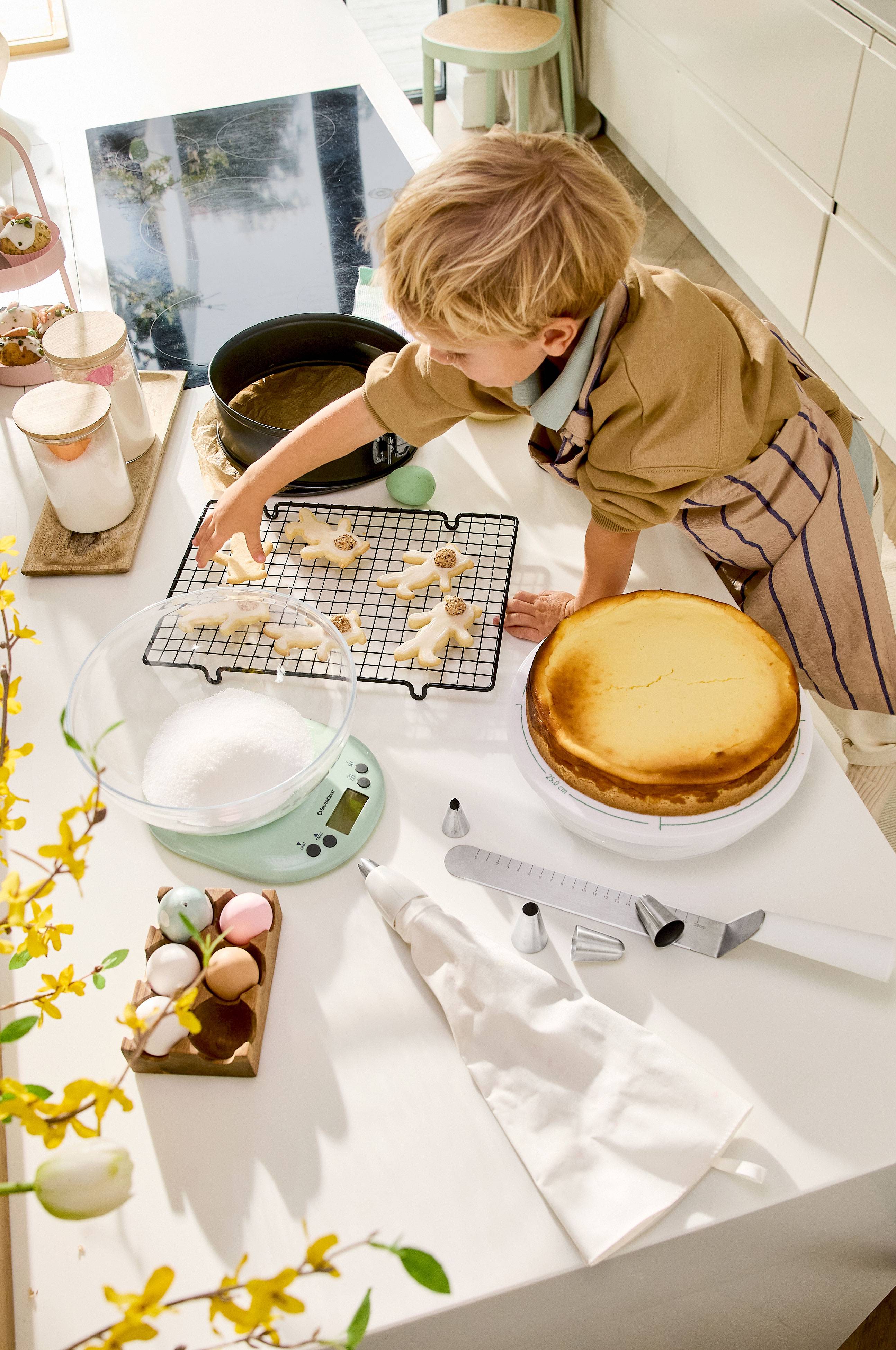
Easily Hide Imperfections
It happens to the best of pros: the cake breaks while being removed from the tin, or the sponge turns out drier than expected. These baking mishaps can often be fixed after the fact.
Dry cakes can be refreshed with an "infusion" of milk or fruit juice. Use a toothpick or a wooden skewer to poke holes into the surface and drizzle the liquid over it. Let it soak in for a moment, and it’s ready to serve.
Broken cake layers can be "glued" back together with a quick frosting. Simply beat powdered sugar and room-temperature butter until fluffy, then fold in some cream cheese. If you pour a chocolate glaze over the top afterward, no one will ever know!
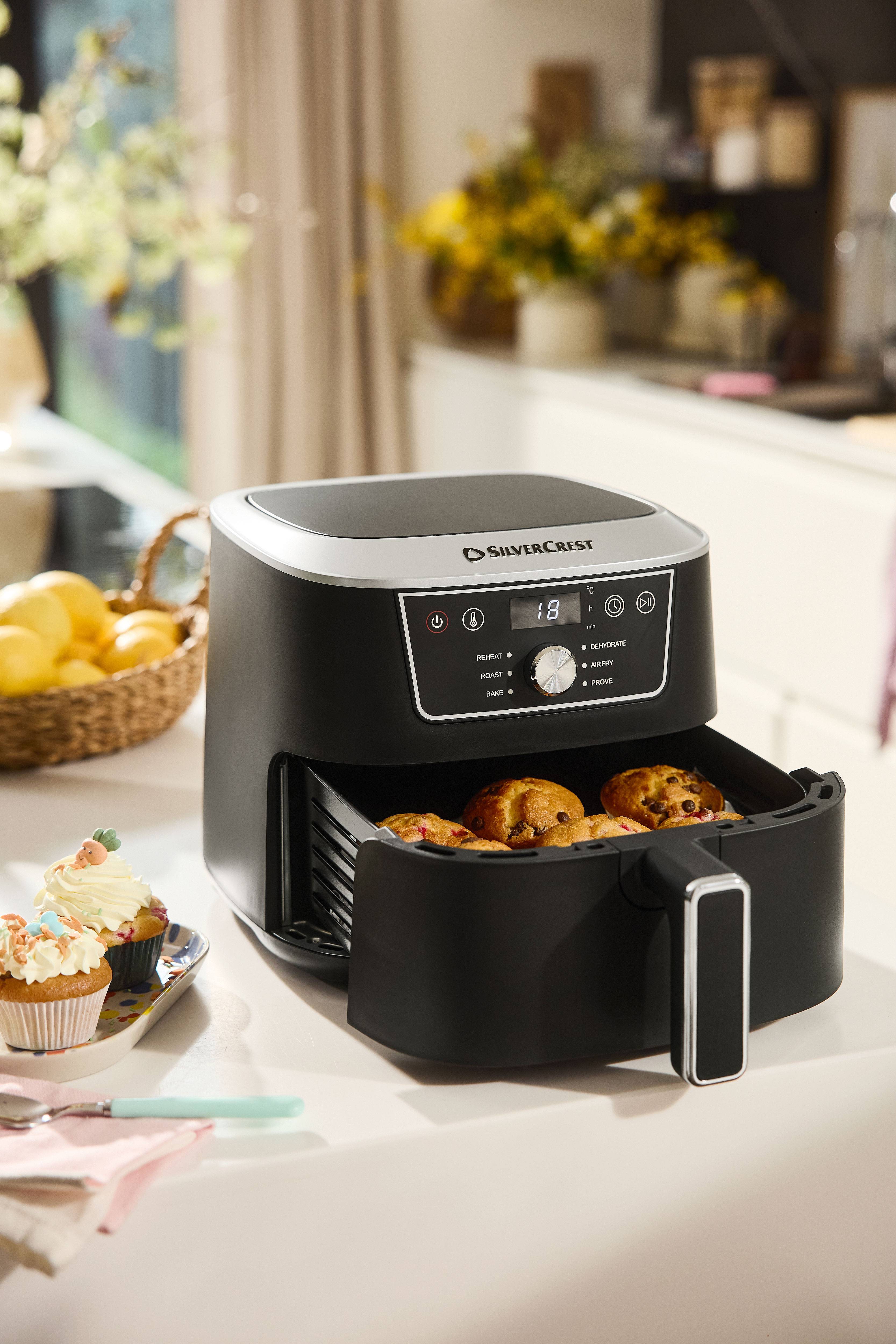
Not Enough Baked? Restock in a Flash!
You’ve spent hours baking for Easter, but your treats aren't enough to feed all your guests? Instead of calling for delivery, rely on these two "lightning-fast" baking tools:
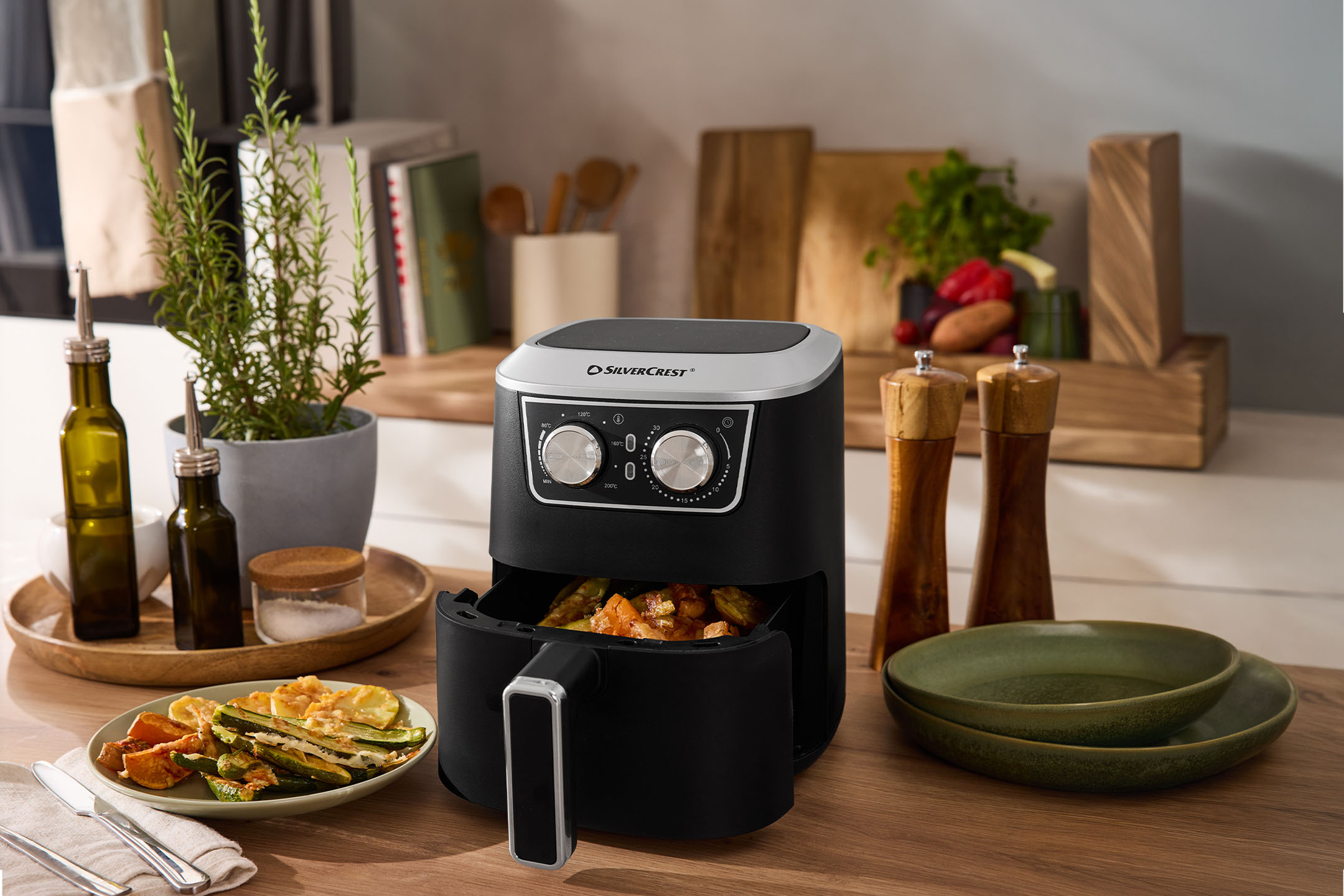
In an Air Fryer, you can prepare practically everything you need for Easter brunch in record time. Baking bread in the air fryer? With a quark-based dough, it takes barely 30 minutes. Even an easy cheesecake only needs about 15 minutes. You can find the right recipe ideas in the Lidl Recipe World.
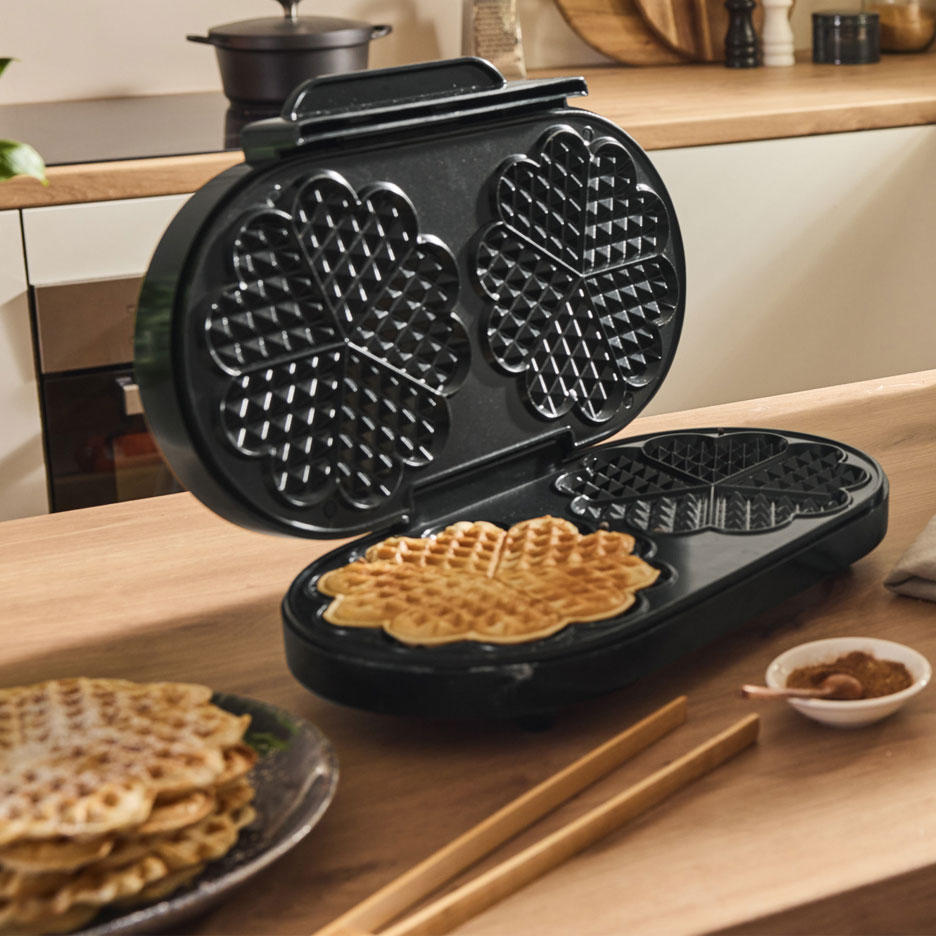
The Waffle Maker can also do more than you might think. You can prepare waffle batter perfectly with an immersion blender and cook it in a flash. For "waffle rolls," you can use pre-made dough from the refrigerated section—just pull it into small portions and bake them in a greased waffle iron for a few minutes. This also works great with frozen croissants and similar breakfast classics.
Either way, it always pays to have a few aces up your sleeve when baking for Easter. Anything not eaten at brunch can simply be used after the holidays. Most doughs can be frozen and popped into the air fryer, oven, or waffle iron whenever needed.