Cleaning Upholstered Furniture: The Expert Guide
There is nothing better than curling up on the sofa or in a favourite armchair to relax. To keep your home feeling fresh and comfortable, regular upholstery cleaning is essential. But what is the quickest way to get results, and which household hacks actually work? Here are our top tips for revitalising your furniture.
Professional Tools for Deep Cleaning
Dirt, allergens, and pet hair often settle deep within the fibres of your sofa. To tackle these, powerful household appliances are your best ally.
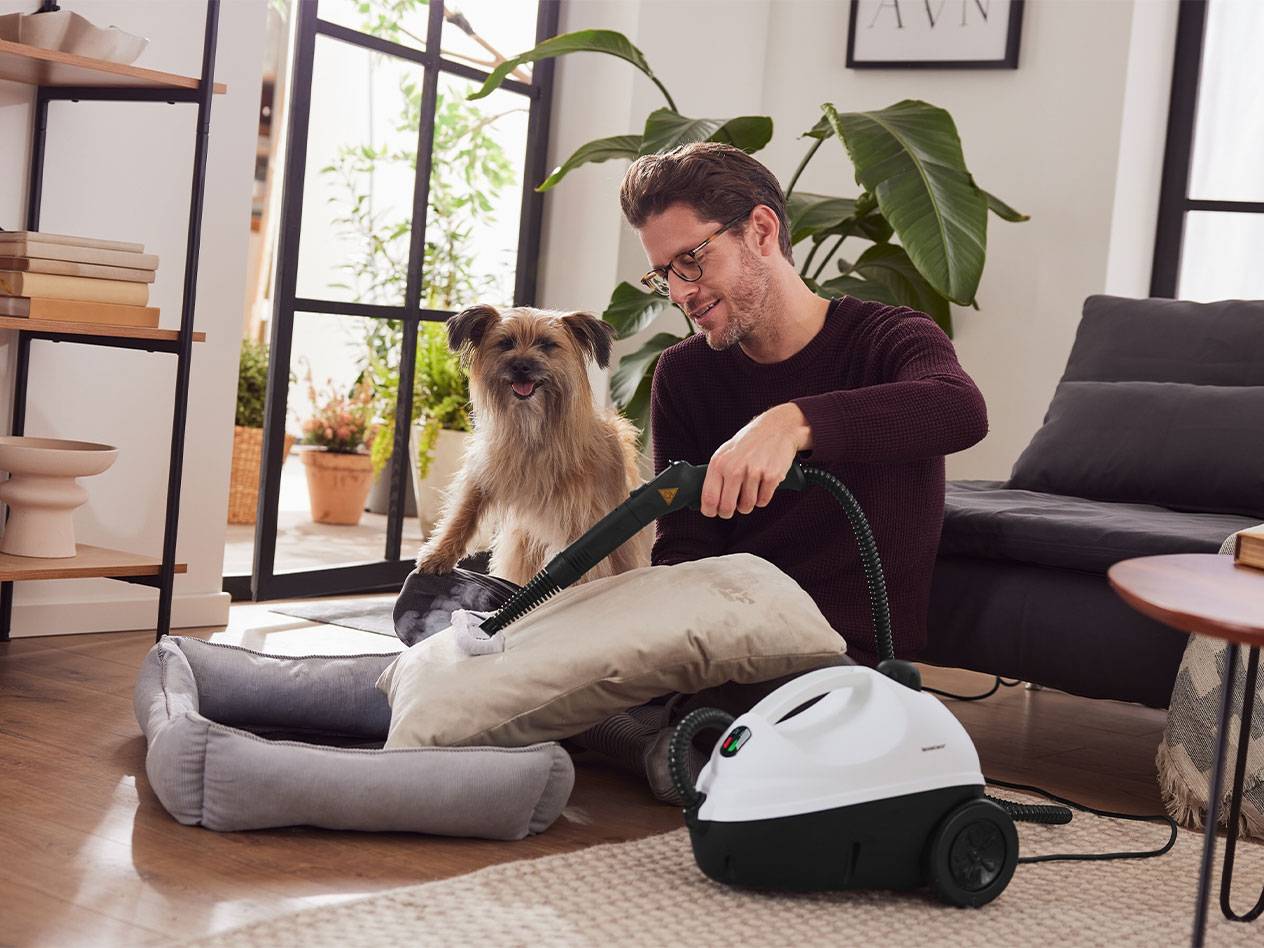
Cleaning sofas with a steam cleaner
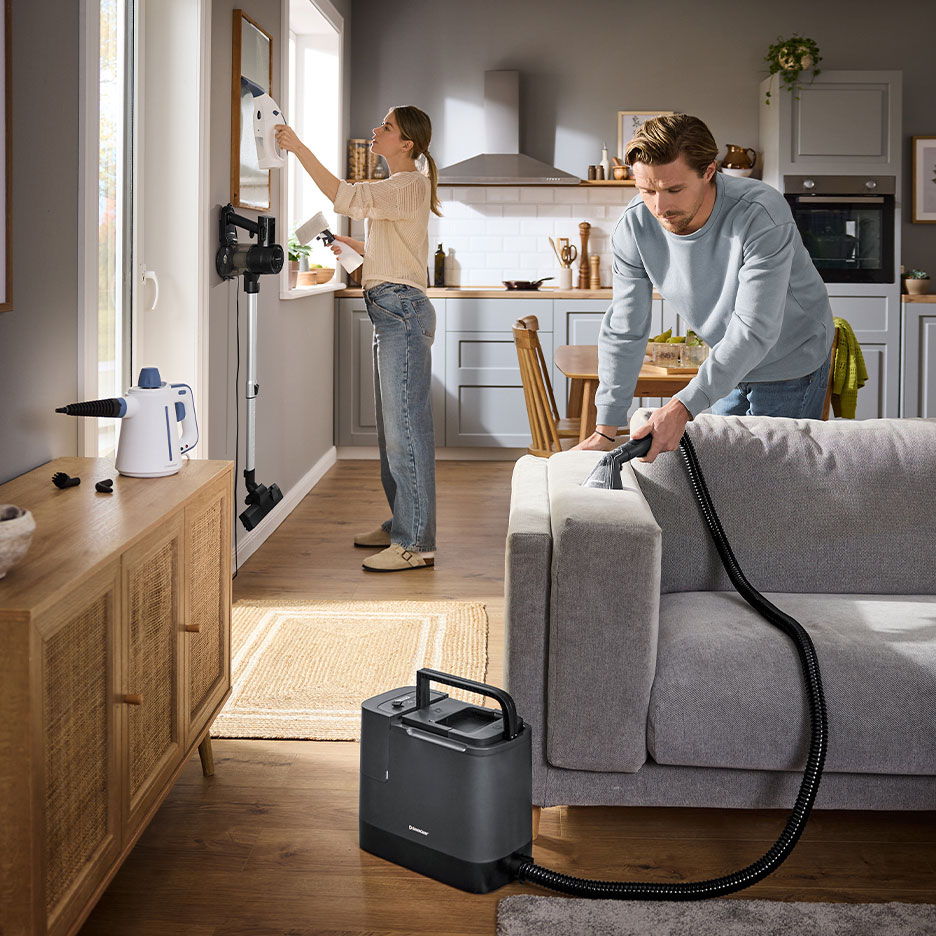
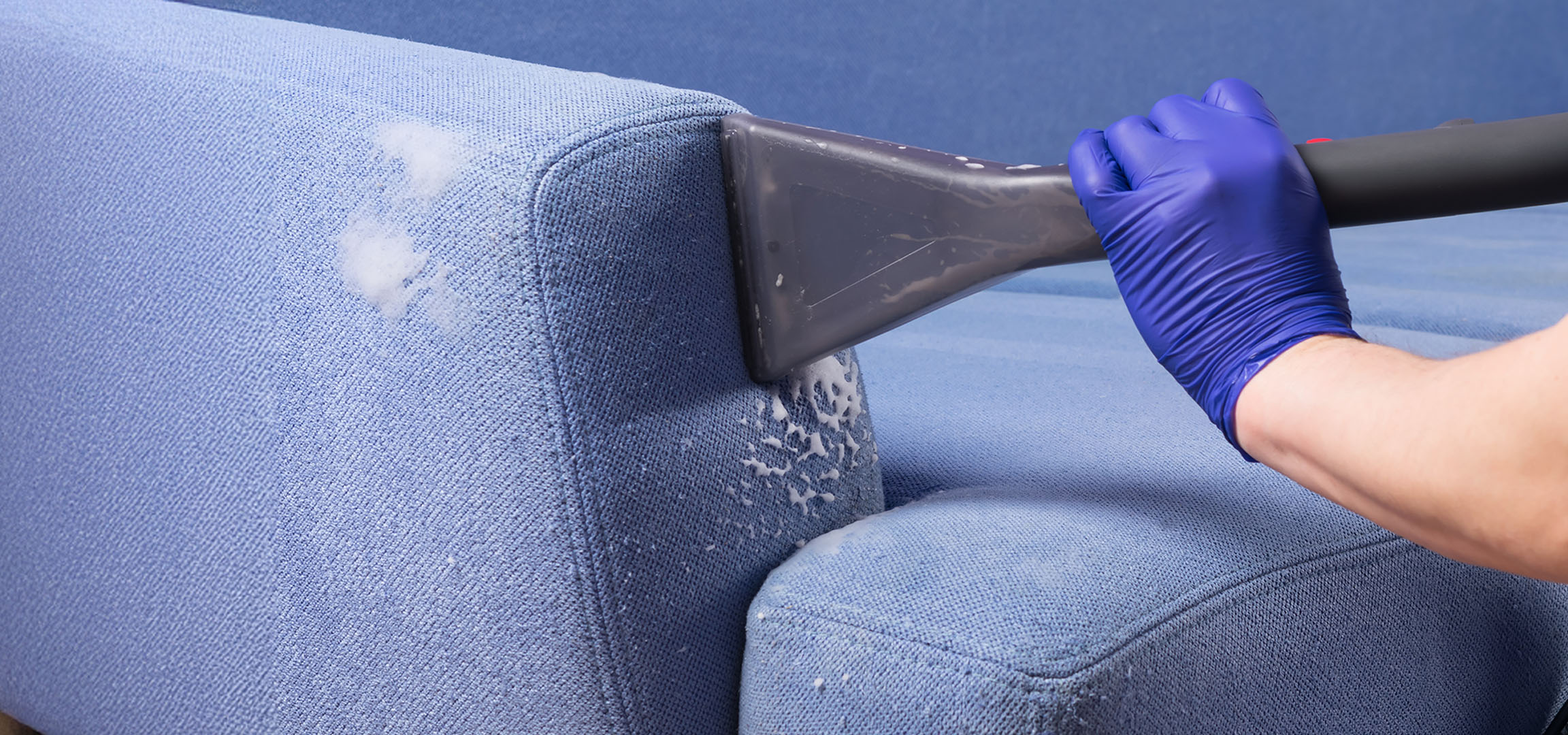
For a truly thorough clean, a steam cleaner is unbeatable. Heated to around 150°C, the steam kills germs and dust mites—making it a lifesaver for allergy sufferers. It penetrates deep to lift stubborn grime and neutralise odours.
- Top Tip: Use a microfibre attachment to distribute the steam evenly and trap dirt. Always perform a "patch test" on a hidden area first to ensure the fabric is heat-resistant and colourfast.
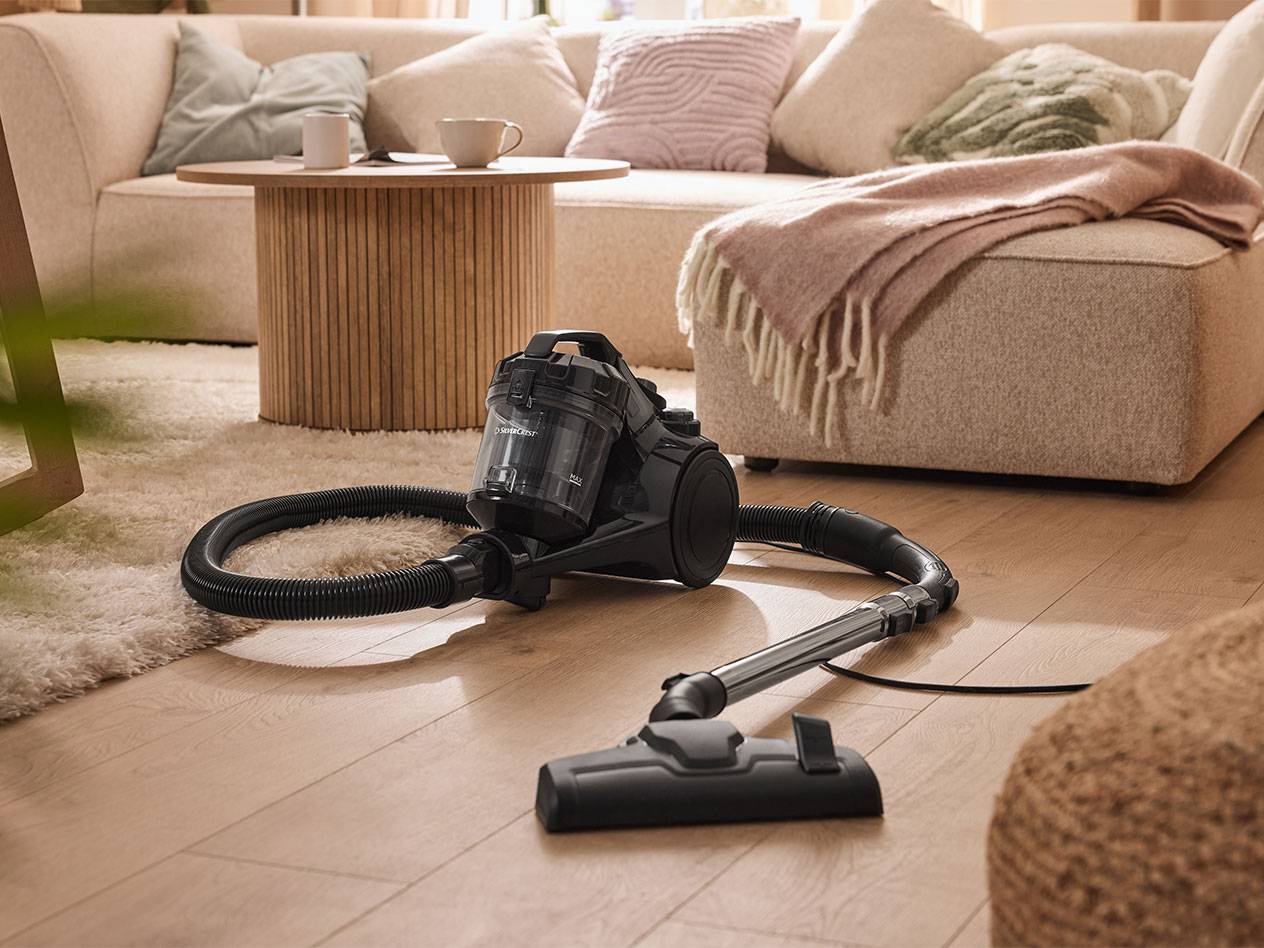
Weekly maintenance with a vacuum cleaner
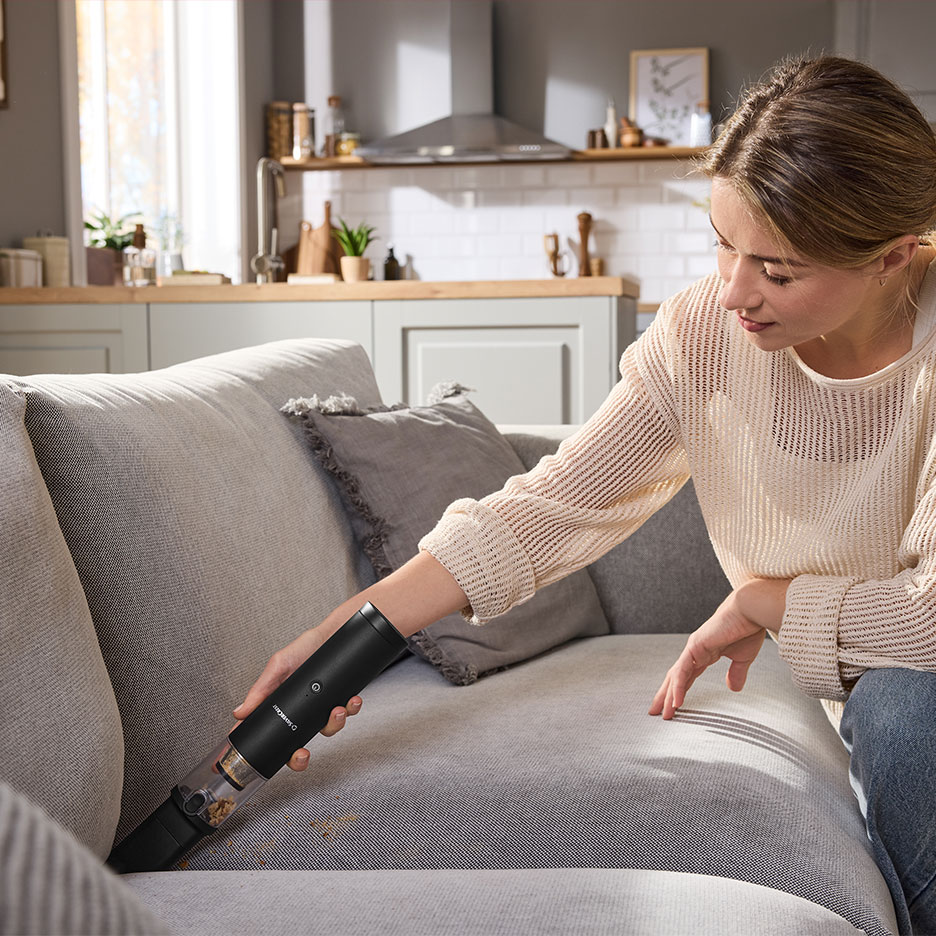
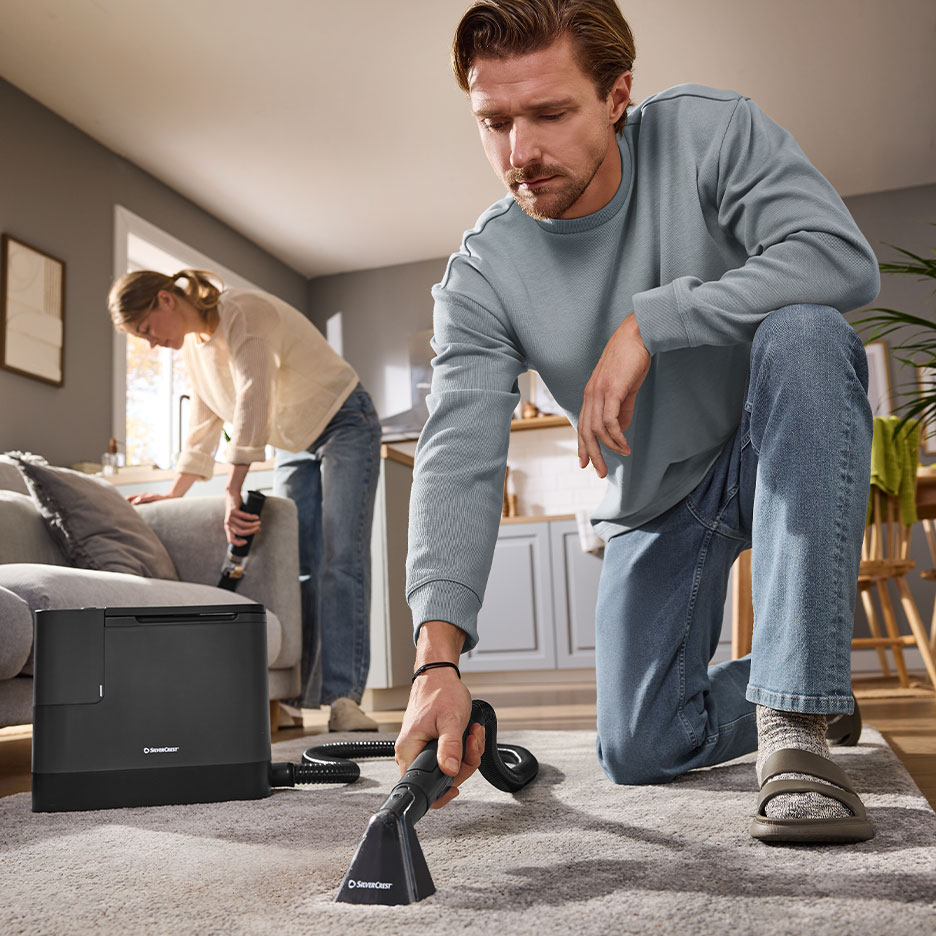
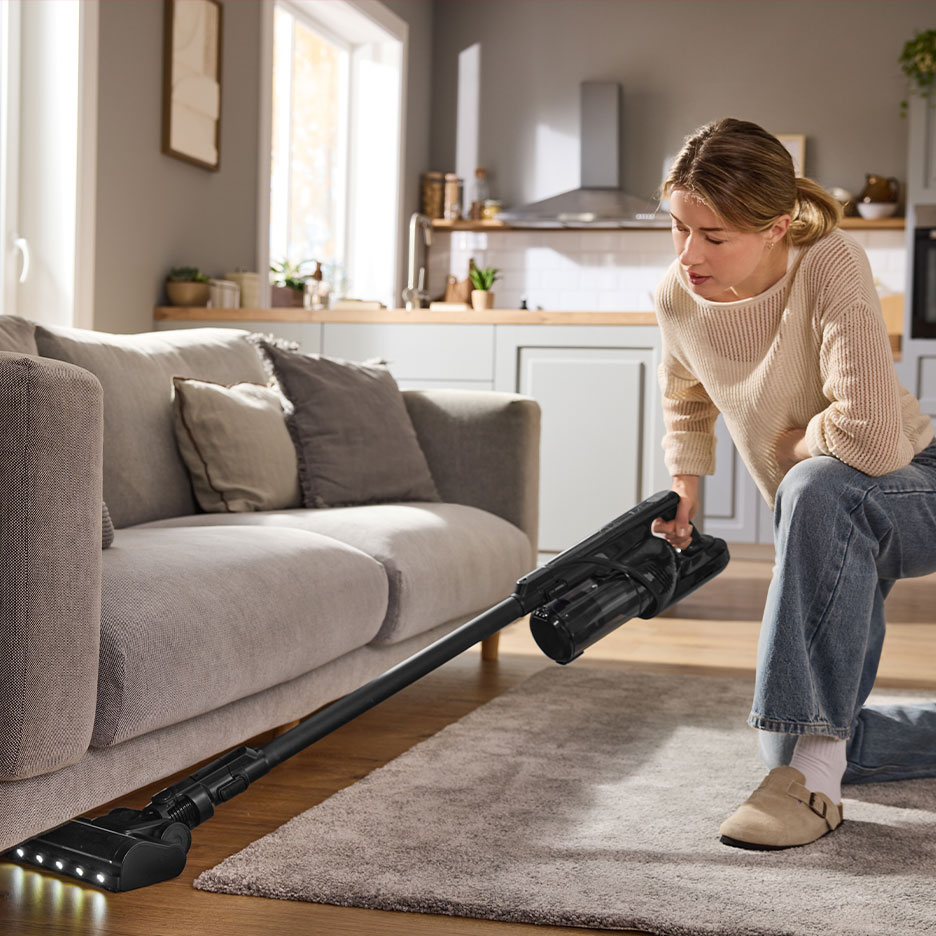
For weekly maintenance, a standard vacuum (or "Hoover") with an upholstery attachment is perfect for removing surface dust. For deep-set stains, consider a carpet and upholstery washer. These machines shampoo the fabric and suction away the dirty residue in one go.
Genius Household Remedies
You don't always need expensive chemicals to get a great finish. You likely have these effective cleaners in your cupboard already:
- Bicarbonate of Soda: This is a powerhouse for cleaning and deodorising. Sprinkle it generously over the upholstery, work it in slightly with a damp cloth, and leave it overnight before vacuuming it off the next morning.
- Shaving Foam: Surprisingly effective for spot-cleaning! Apply a small amount to a stain, spread with a damp cloth, and let it sit for 10 minutes. Brush it out with a soft brush—always moving in one direction. Note: Never use this on leather or use shaving gel.
- Traditional Bar Soap: A classic remedy for leather or microfibre. Rub a damp cloth over a bar of simple, fragrance-free household soap and gently work it into the fabric. Use distilled water to avoid the unsightly "water rings" or limescale marks often left by tap water
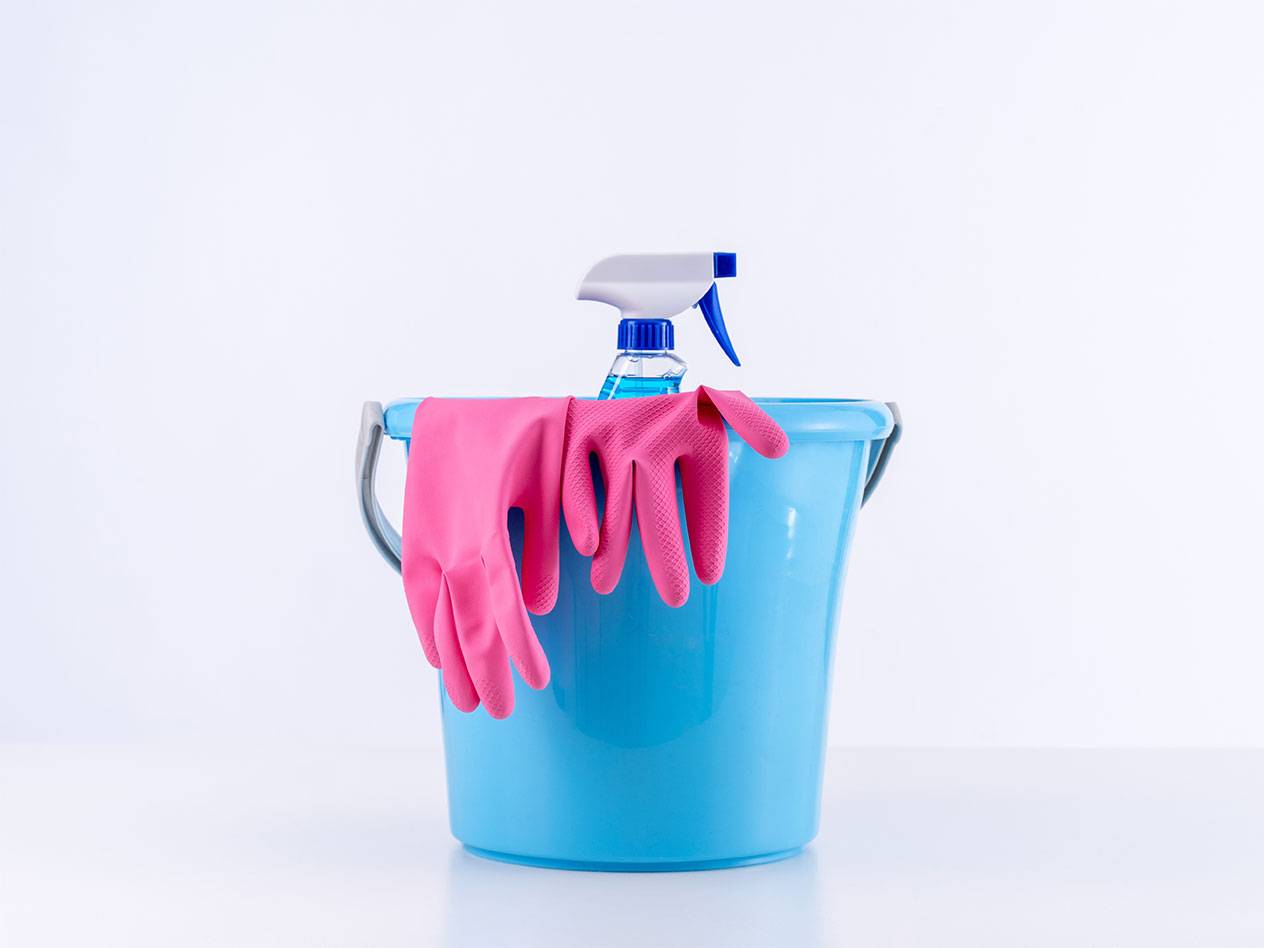
The "Saucepan Lid" Life-Hack: Does it work?
You may have seen this viral tip on social media—and it actually works! It’s a great way to "shampoo" a large surface area without soaking the internal padding.
What you need:
- A bucket of hot water
- A small amount of laundry detergent (half a standard dose)
- A microfibre cloth
- A saucepan lid (with a handle)
Method: Dissolve the detergent in the water. Dip the cloth in, wring it out until damp, and wrap it tightly around the saucepan lid. Using the handle, scrub the lid across the surface of your sofa. The flat pressure of the lid helps lift dirt out of the weave and into the cloth.
Cleaning upholstered furniture: What you should bear in mind
Dirty done, sofa too? Better not. To keep your upholstered furniture looking good for a long time, follow a few important tips:
Dry vs. damp cleaning
Damp methods for cleaning upholstery, such as wet or washing vacuum cleaners, are best only used for stubborn stains. Hoovers are perfectly adequate for everyday cleaning of your upholstered furniture. Always follow the care instructions. You will find all the information on safe cleaners and cleaning methods on the label.
 Recommended washing temperature
 Do not dry clean
 Professional dry cleaning
 Waterless (chemical) dry cleaning
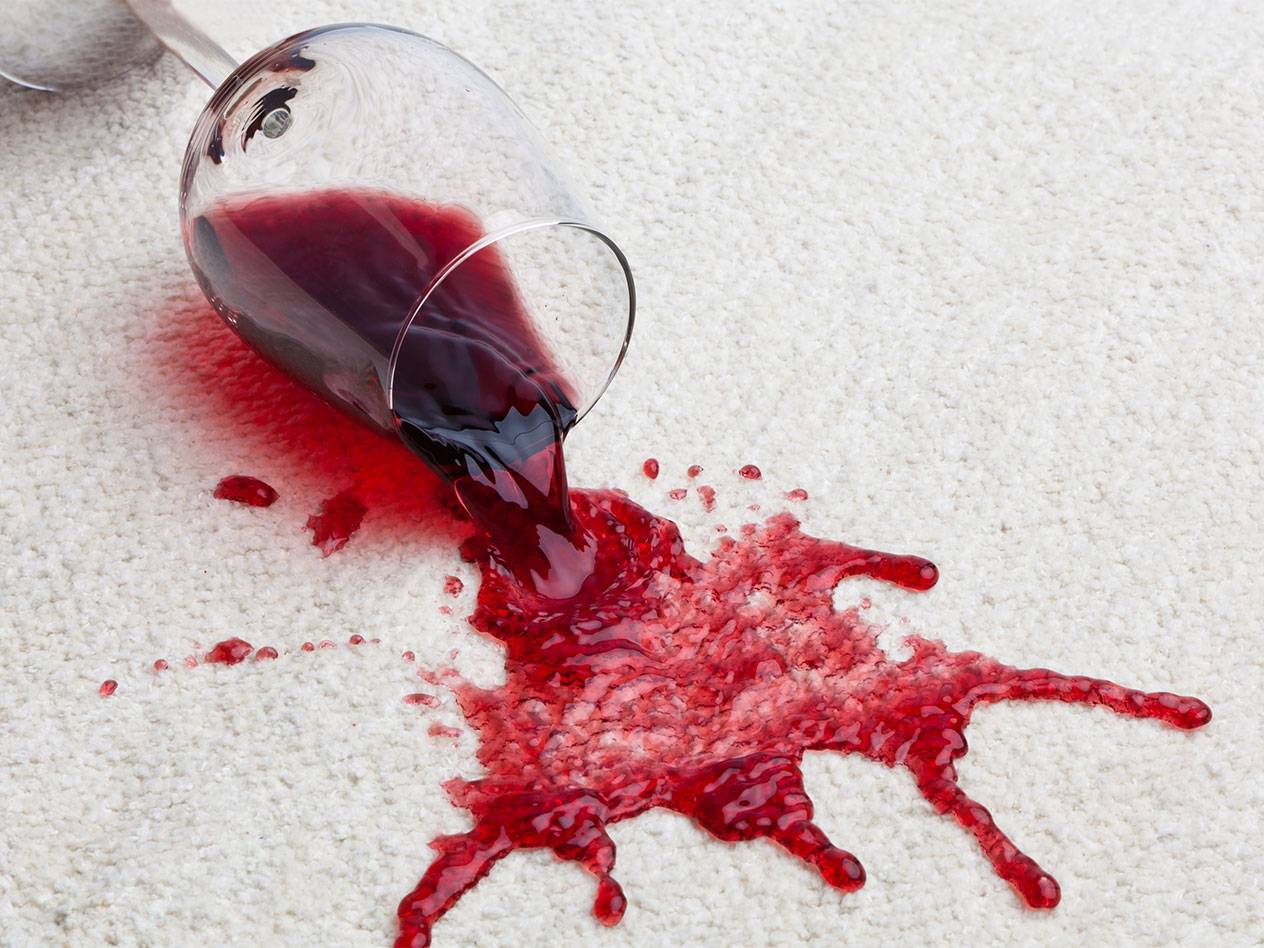
Targeted Stain Removal
Different spills require different tactics. Act fast for the best results:
- Grease Stains: Tackle these immediately with a damp cloth and a drop of washing-up liquid.
- Red Wine: Blot the spill, then cover it with table salt to soak up the liquid. Dab with distilled water and a mild detergent solution.
- Ink: Use a cotton bud to lift fresh ink. Treat the area with a mix of distilled water and a tablespoon of citric acid.
- Pet Accidents: Use an enzymatic cleaner specifically designed to break down odours. These need to be applied several times to penetrate the padding where the scent lingers.