Hedge Trimmers: Finding the Right Model for Your Garden
Whether you prefer manual, electric, cordless, or petrol power, there is a perfect tool for every
garden. This guide breaks down the essential criteria to help you make an informed purchase.
Hedge Trimmers: Types at a Glance
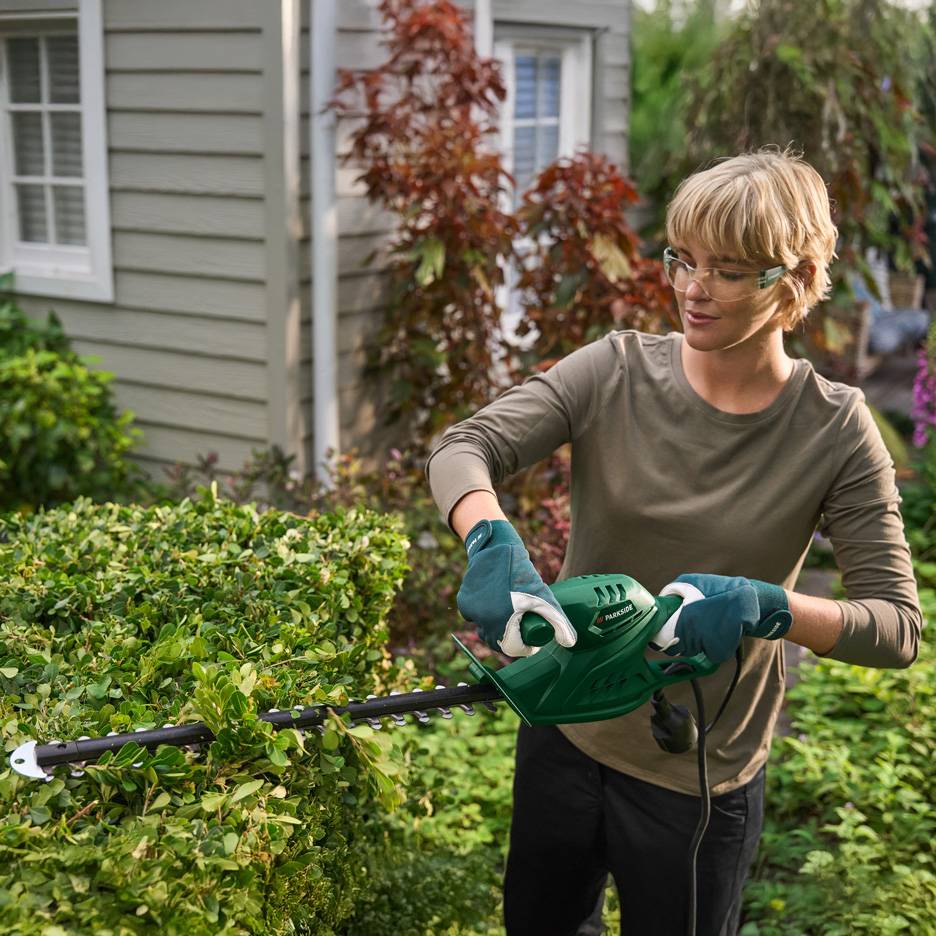
1. Electric Hedge Trimmers (Corded)
Best for small to medium gardens with accessible power outlets.
- Advantages: Unlimited runtime, lightweight, and budget-friendly.
- Disadvantages: Limited by cable length; risk of accidentally cutting the power cord.
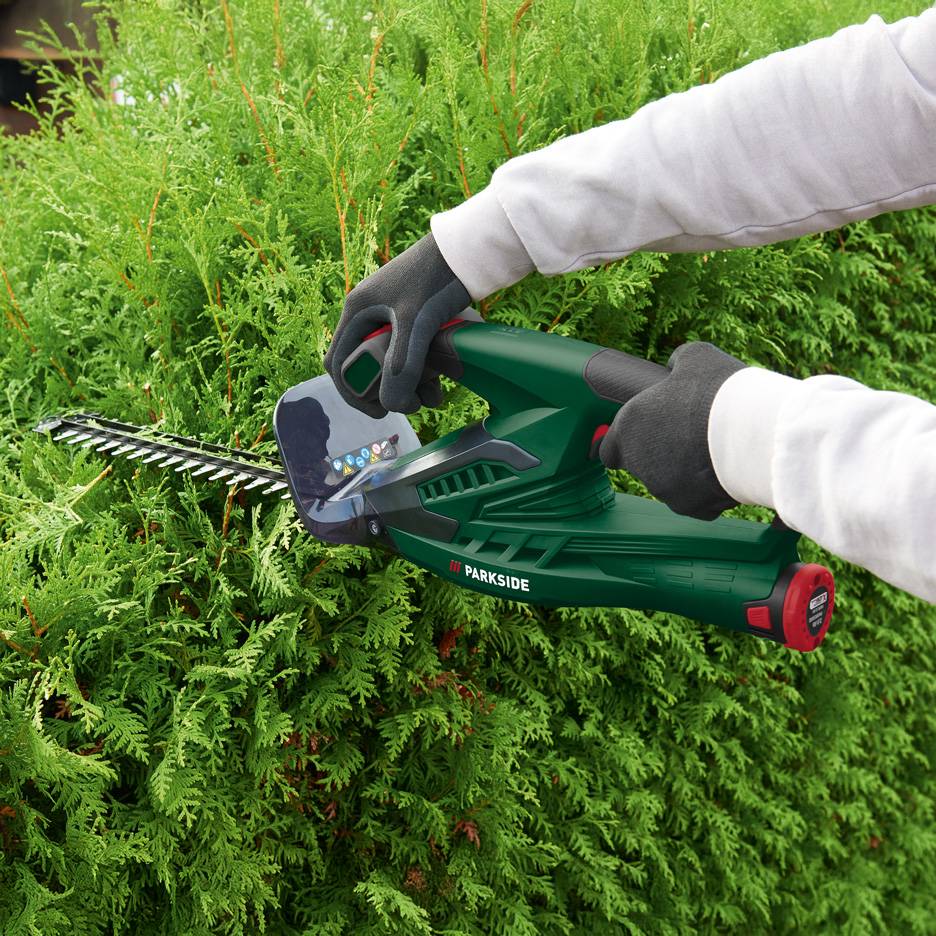
2. Cordless Hedge Trimmers (Battery)
The modern standard for most residential gardens.
- Advantages: Maximum freedom of movement, low noise, and zero emissions.
- Disadvantages: Runtime is limited by battery life; Higher weight (compared to cable)
- Tip: Look for 18V systems for versatility, or 36V for professional-grade power.
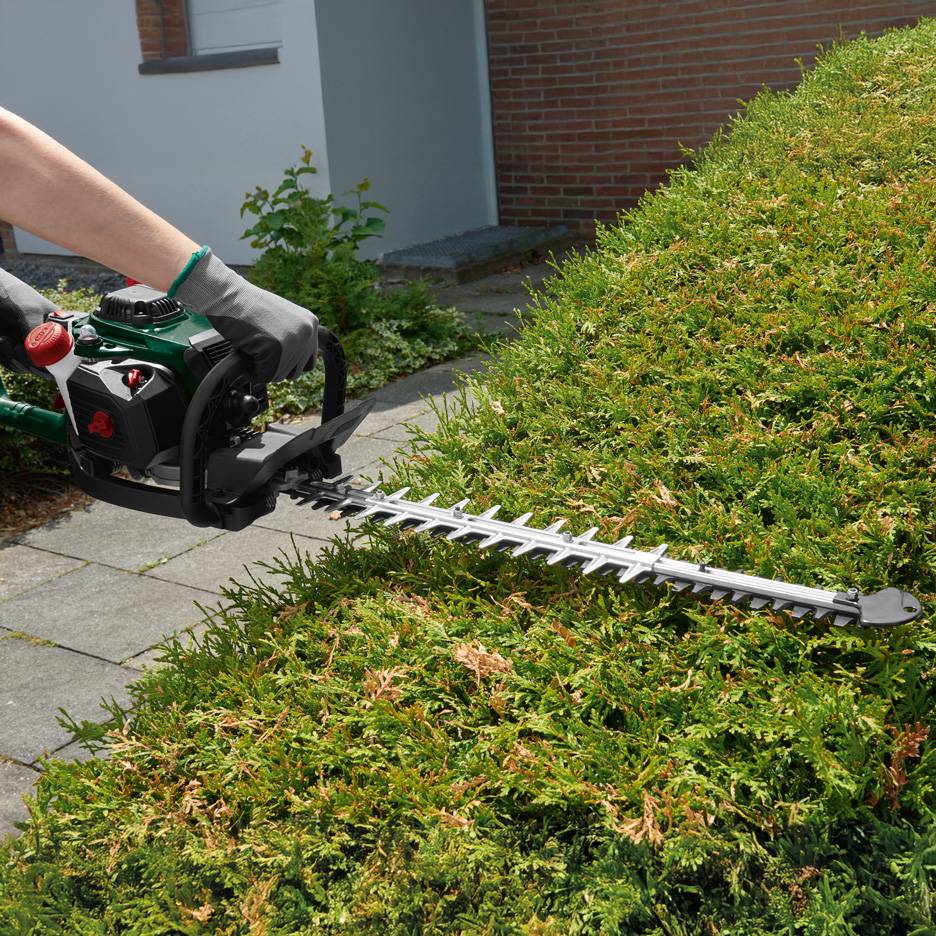
3. Petrol Hedge Trimmers
The powerhouse for remote properties and extremely thick, overgrown hedges.
- Advantages: Highest cutting power for thick branches; no cables or charging needed.
- Disadvantages: Heavy, loud, requires fuel mixing (oil/petrol), and high maintenance.
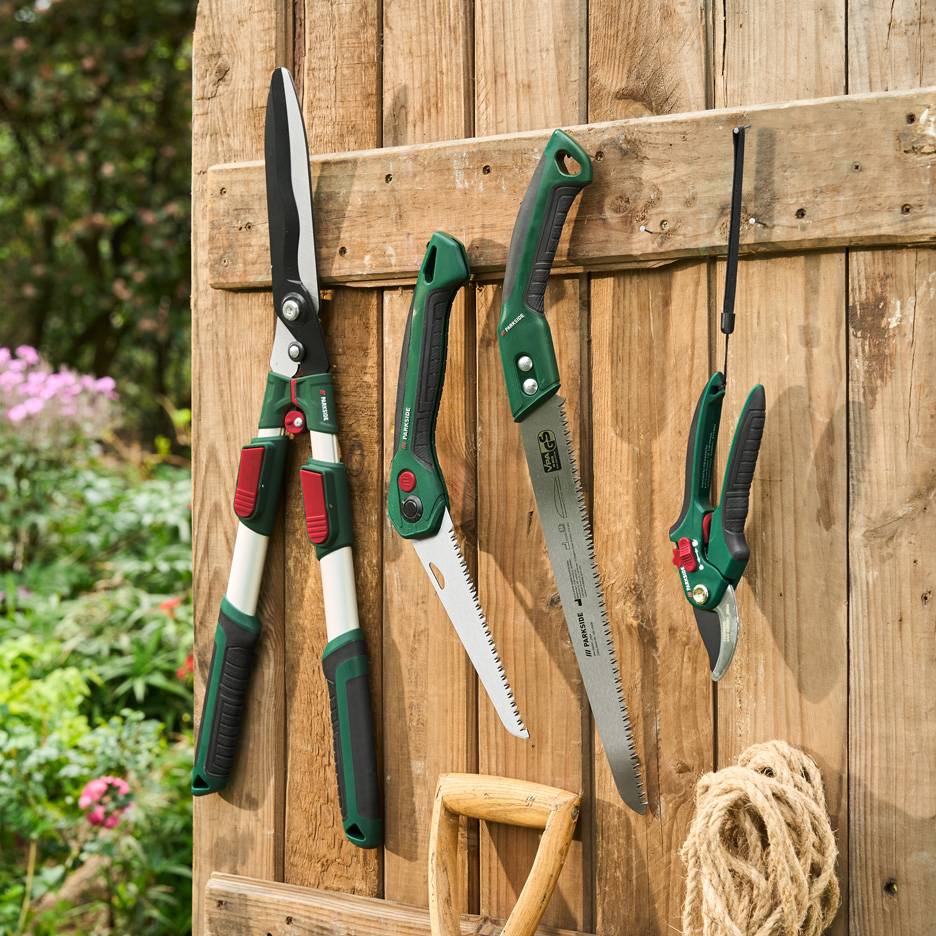
4. Manual Hedge Trimmers
Perfect for topiary, delicate shaping, or very small sections.
- Advantages: Inexpensive, quiet, and requires zero maintenance.
- Disadvantages: Physically demanding; not suitable for thick woody stems or large areas.
Key Buying Criteria
Cutting Length vs. Tooth Spacing:
- Length: A longer blade (50–60cm) clears area faster but is heavier. A shorter blade is better for precision shaping.
- Tooth Spacing: This is the "max cut" capacity. Look for 16–20mm for young hedges and 25mm+ for mature, woody hedges.
Power Output
- Electric: Aim for 500W–700W for standard domestic use.
- Cordless: Ensure the battery Amp-hours (Ah) match your garden size (2.0Ah for small, 4.0Ah+ for large).
Ergonomics & Handling
- Weight Distribution: Can you hold it comfortably for 20 minutes?
- Rotating Handles: Models with a 90° or 180° rotating rear handle make vertical cutting much easier on the wrists.
- Telescopic Options: For hedges over 2 meters, a Long-Reach (Telescopic) trimmer is safer than using a ladder.
Safety First
Modern trimmers include vital safety tech. Ensure your model features:
- Two-Hand Safety Start: Prevents accidental activation.
- Electronic Blade Brake: Stops the blades instantly when the trigger is released.
- Hand Guard: Protects your lead hand from debris.
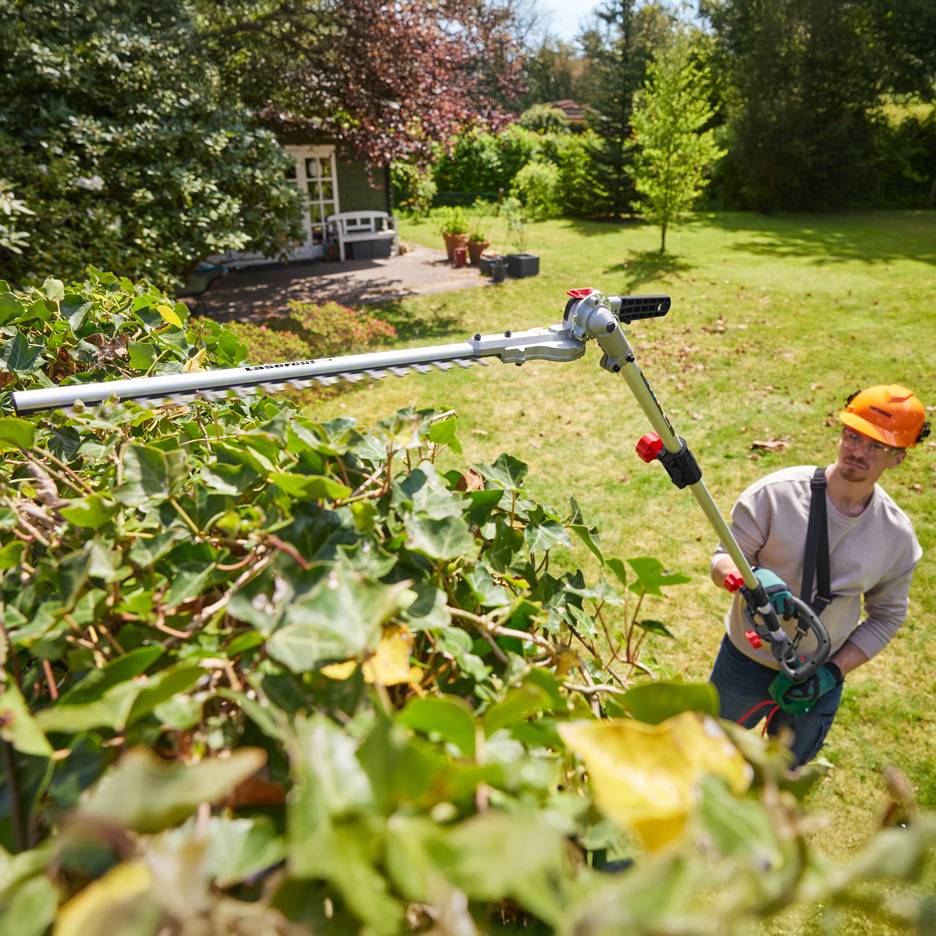
Essential PPE (Personal Protective Equipment):
- Safety Goggles: Essential to protect against flying wood chips.
- Heavy-duty Gloves: Improves grip and protects against thorns.
- Ear Protection: Mandatory for petrol models; recommended for high-decibel electric models.
Questions and answers
It is attractive to cut thick branches quickly with a chainsaw. However, working with a chainsaw has several disadvantages. Firstly, the large dimensions mean that precise cutting is not possible. Secondly, the chainsaw is not suitable for work above chest height - the risk of injury is too high. However, there are 2-in-1 devices that combine hedge trimmers and chainsaws and whose dimensions and weight are adapted accordingly.