Lawn Mowers: Sharpen the Blades—But Do It Right
A lawn mower is only as good as its blade. Frequent use—and the occasional encounter with sticks or stones—dulls the metal over time. Instead of a clean cut, a blunt blade tears and shreds the grass, leaving it vulnerable to disease and drying out.
Why does the lawn mower blade need to be sharpened?
A sharp blade is essential for a precise cut. Frequent use and driving over sticks, stones and other small obstacles dulls the blade of the lawn mower over time. As a result, the blades of grass are no longer cut straight, but rather torn off and shredded.
How can I tell if my lawn mower blade needs sharpening?
The appearance of the cut is the best indicator for determining whether sharpening is necessary. Grass blades cut with a dull mower blade appear frayed. They dry out, and the tips turn grey or brown. If your lawn shows these signs, it is time to sharpen the mower blade.
Step-by-Step Guide: Sharpening Your Own Lawn Mower Blades
If you have a bit of DIY skill, you can handle the grinding of the blade yourself, saving you a trip to a specialist dealer or a locksmith. Having the right equipment is key.
Tool List
- Blade balancer
- Allen key (Hex key)
- Open-ended wrench
- Pipe wrench
- Angle grinder
- Screwdriver
- Bench vise
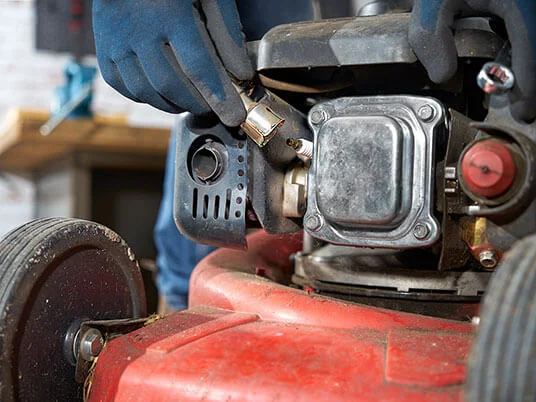
Step 1: Safety First
Before touching the blade, you must ensure the engine cannot start.
- Petrol: Disconnect the spark plug wire.
- Electric/Corded: Unplug the device.
- Cordless: Remove the battery. Tip: When tipping a petrol mower, always ensure the air filter and carburetor are facing upwards. If the exhaust faces up, oil can leak into the air filter and ruin it.
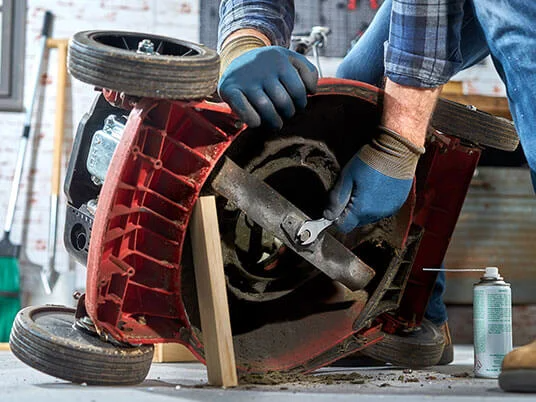
Step 2: Removal & Inspection
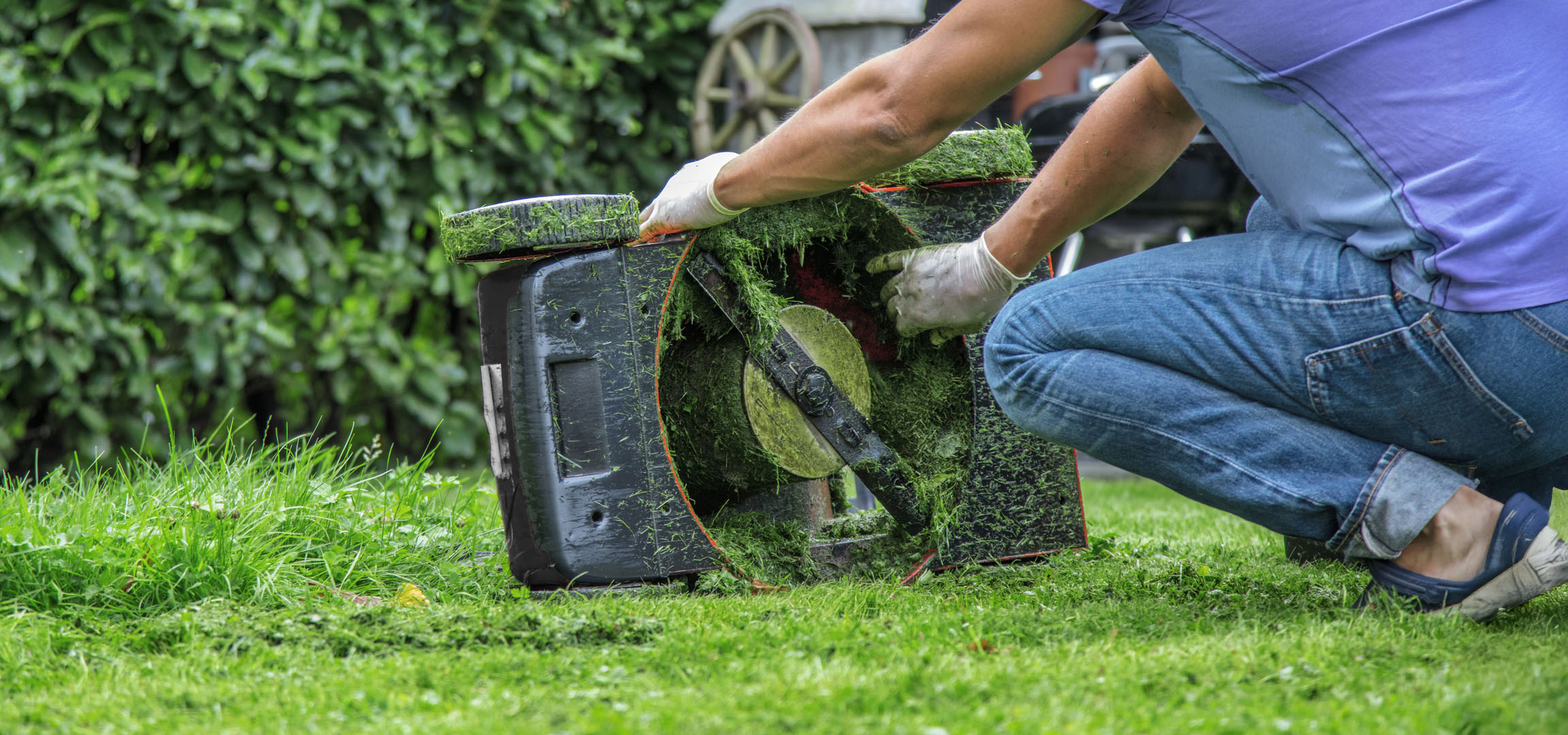
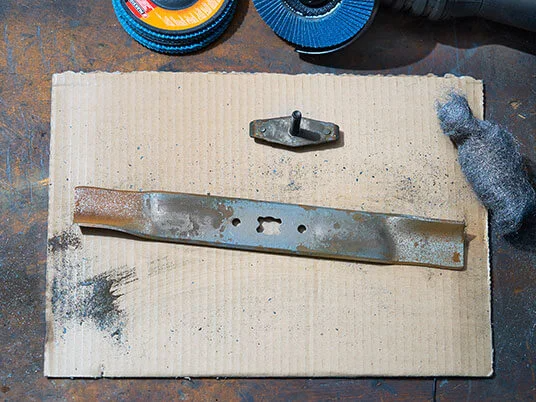
Turn the mower on its side. Use an appropriately sized spanner (often a 19mm or 5/8") to loosen the central bolt. Pro Tip: Block the blade with a piece of scrap wood against the mower deck to stop it from spinning while you loosen the bolt. Once removed, scrape off grass residue with a wire brush and check for cracks. If the blade is deeply nicked or bent, replace it entirely.
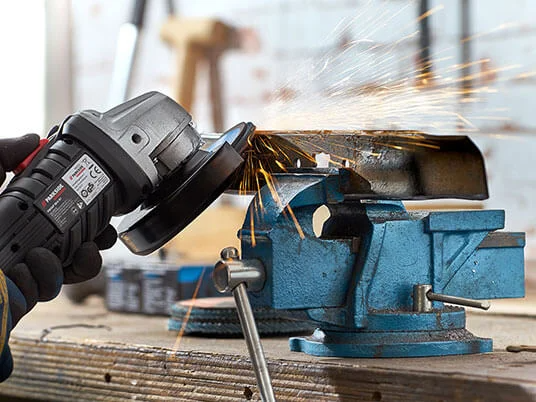
Step 3: The Sharpening Process
Clamp the blade firmly in a vise.
- Using an Angle Grinder: Use a flap disc and follow the factory bevel angle (usually around 30°). Light, quick passes are better than heavy pressure, as overheating the metal can make it brittle.
- Using a File: If you don't have a grinder, use a large metal file. Work from the base of the cutting edge toward the tip, following the existing angle. Crucial: Only sharpen the top side of the edge. The bottom must remain completely flat.
Step 4: The Balance Test
This is the most critical step. An unbalanced blade vibrates at high speeds, which can destroy your engine’s bearings.
- Place the center hole of the blade on a nail in a wall or a specialized cone balancer.
- If one side dips, it is heavier. Grind a small amount of metal off the non-cutting edge of the heavy side until the blade sits perfectly level.
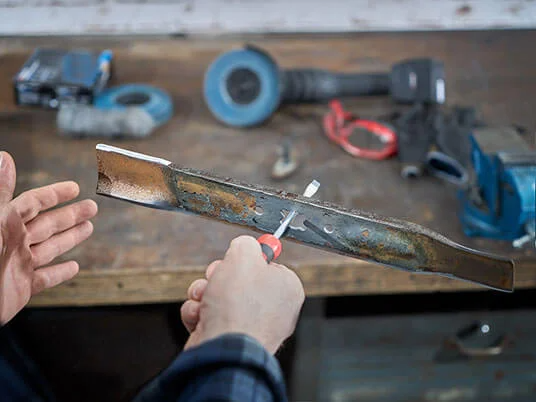
Step 5: Reinstallation
Clean the motor shaft before sliding the blade back on. Ensure the blade is facing the right way (most blades are marked "Grass Side" or "This Side Down"). Tighten the bolt firmly, reconnect your power source, and you're ready for a perfect cut.
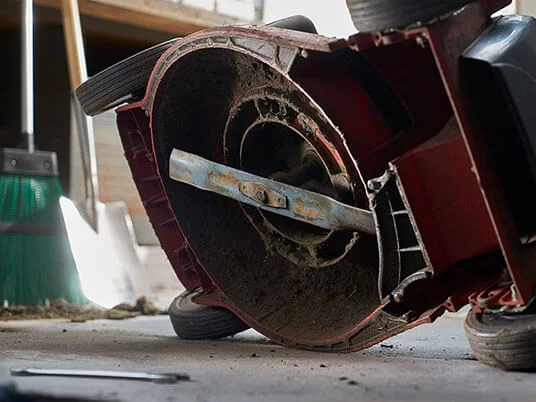
Step 6: Installing the Blade
Once the blade is sharpened and balanced, you can reinstall it. Ensure that all screws and washers are placed back in their correct positions. Do not restart the lawn mower until it is back on the ground and you are certain that all parts are securely tightened.
Essential Protective Gear
- Heavy-duty Gloves: Protects against the sharp edge and metal burrs.
- Safety Goggles: Mandatory when using an angle grinder to stop sparks and metal shards.
- Dust Mask: Recommended to avoid inhaling fine metal dust or dry grass particles.
Questions and answers
How often a mower blade needs to be sharpened depends on how often it is used. Frequent mowing or a lawn that is particularly littered with stones and branches will cause the blade to become blunt more quickly. However, the lawn mower blade should always be sharpened once a season.