What is thermal clothing?
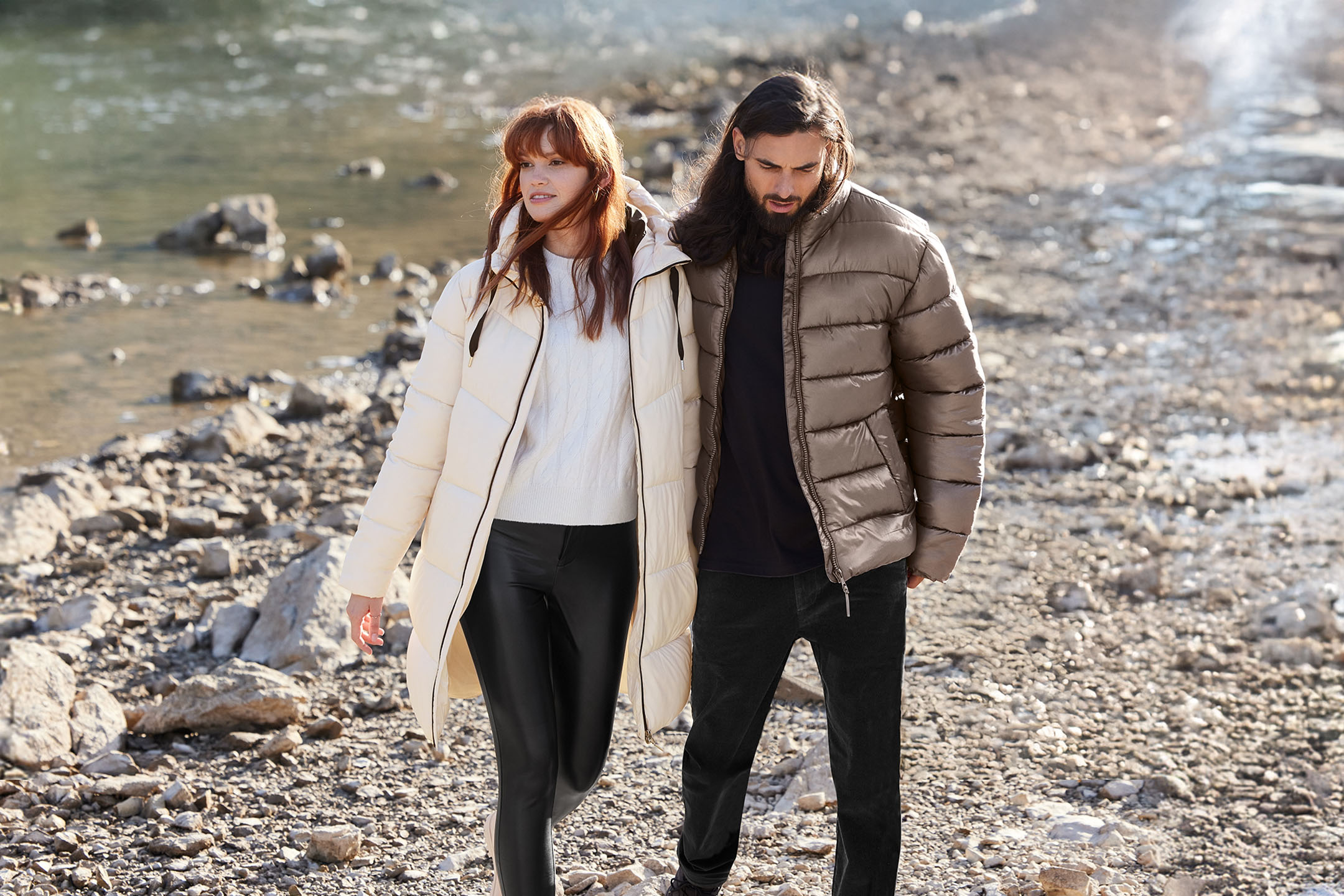
"Thermal clothing" is a broad term for functional garments designed to prevent your body temperature from dropping in rain, wind, and freezing conditions. High-quality thermals work by trapping your body heat, creating a protective barrier against sub-zero temperatures. Crucially, these fabrics also "wick" moisture away from the skin—a vital feature that prevents you from catching a chill. Depending on the specific fibres, thermal gear can also provide a shield against biting winds and heavy rain. From head to toe, thermal options are available for adults and children alike.
What materials are used?
From men's thermal socks to children's long-sleeved tops, thermal clothing utilises a variety of high-performance materials. Most garments use a blend of natural and synthetic functional fibres.
- The Base Layer: The closer the garment is to the skin, the higher the proportion of natural fibres usually is. Soft wool or cotton blends with a hint of synthetic stretch provide warmth and a perfect fit.
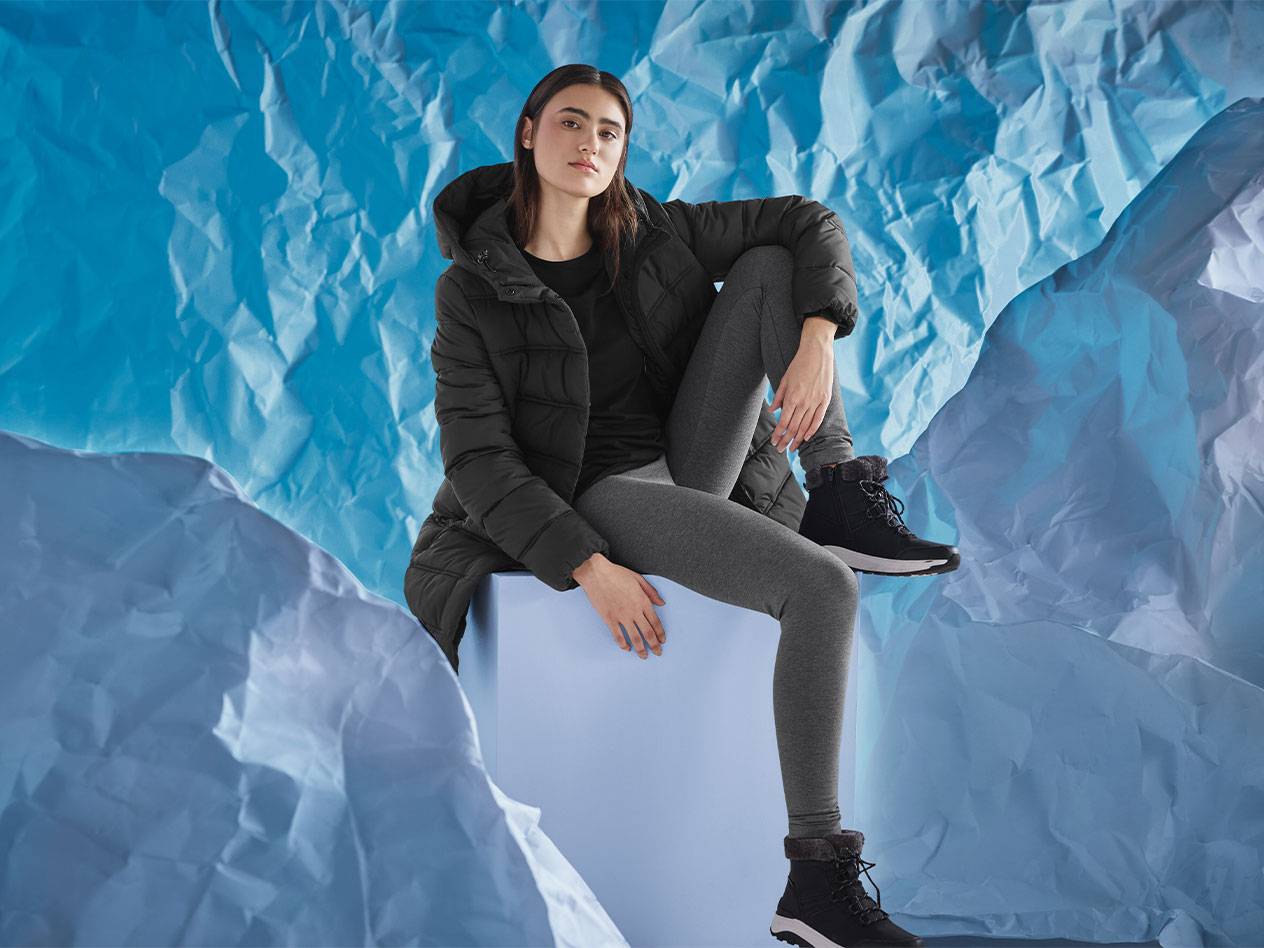
- The Outer Shell: Jackets and coats designed to repel the elements are made from tightly woven, often impregnated, synthetic fibres—ensuring nothing gets through

How to layer your thermals
For maximum effectiveness, thermal clothing should be worn in "smart layers."
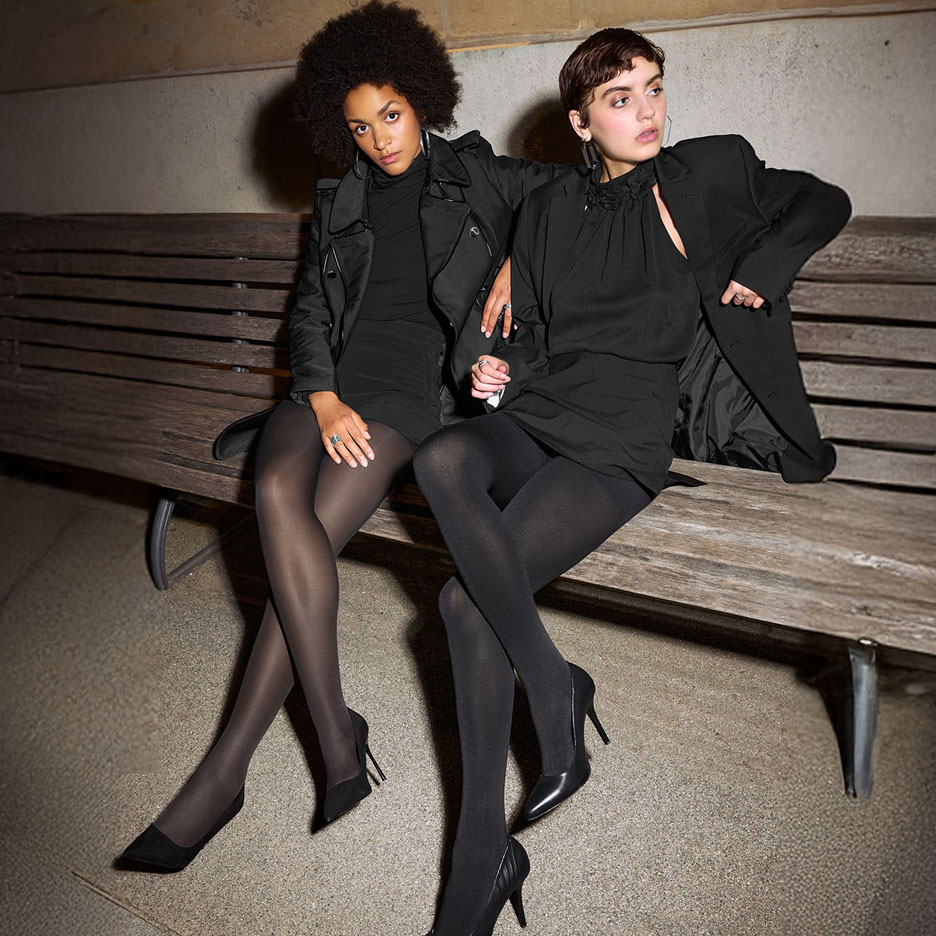
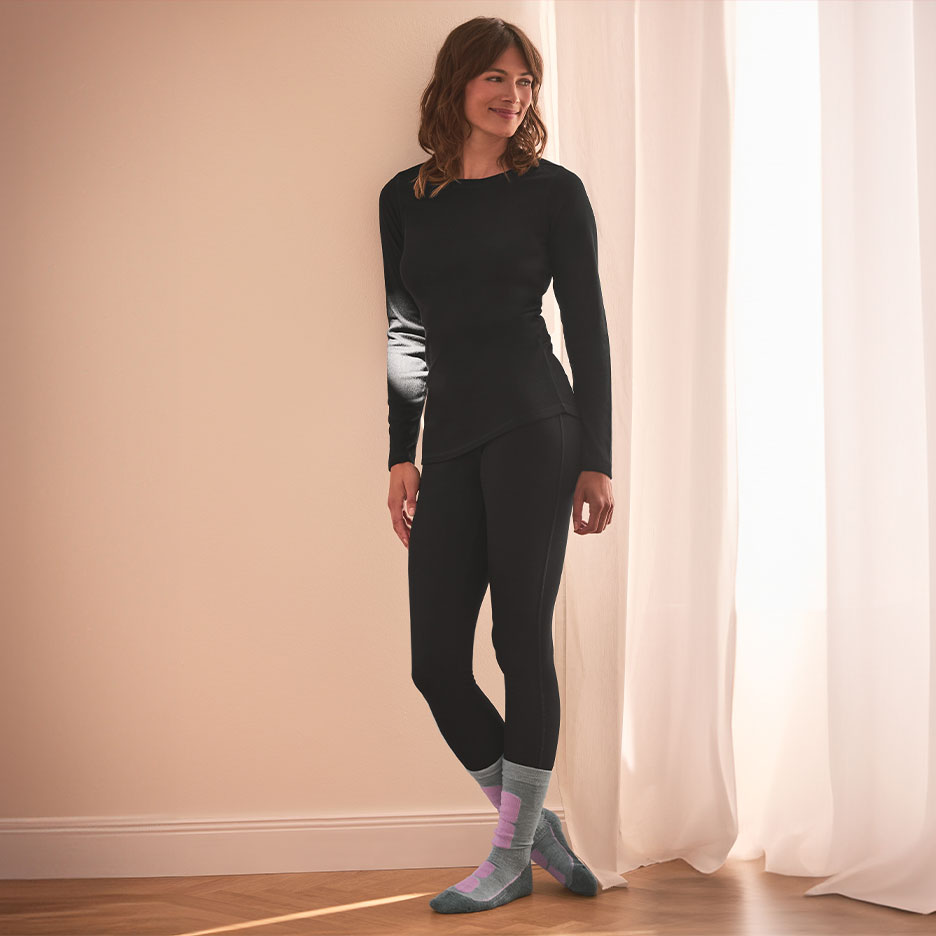
- The First Layer: This is the most important. It should sit snugly against the skin to create a "thermal cushion." Choose breathable, moisture-wicking functional shirts or thermal underwear in the correct size to ensure full coverage.
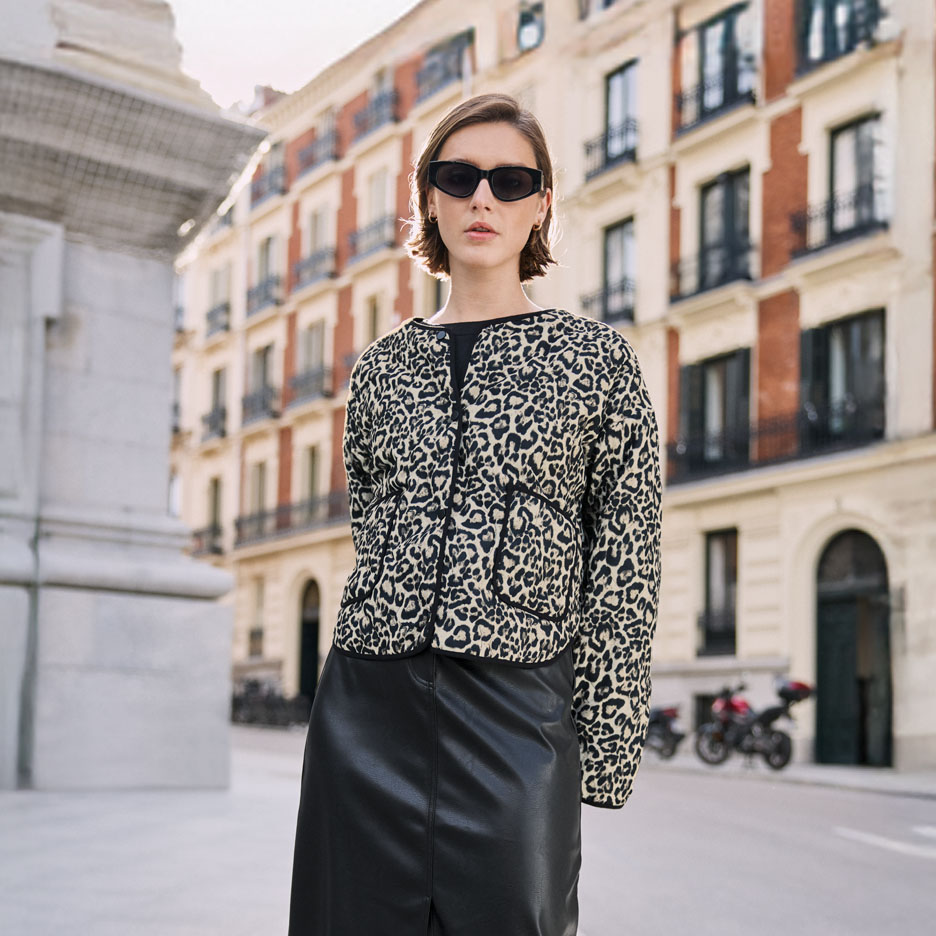
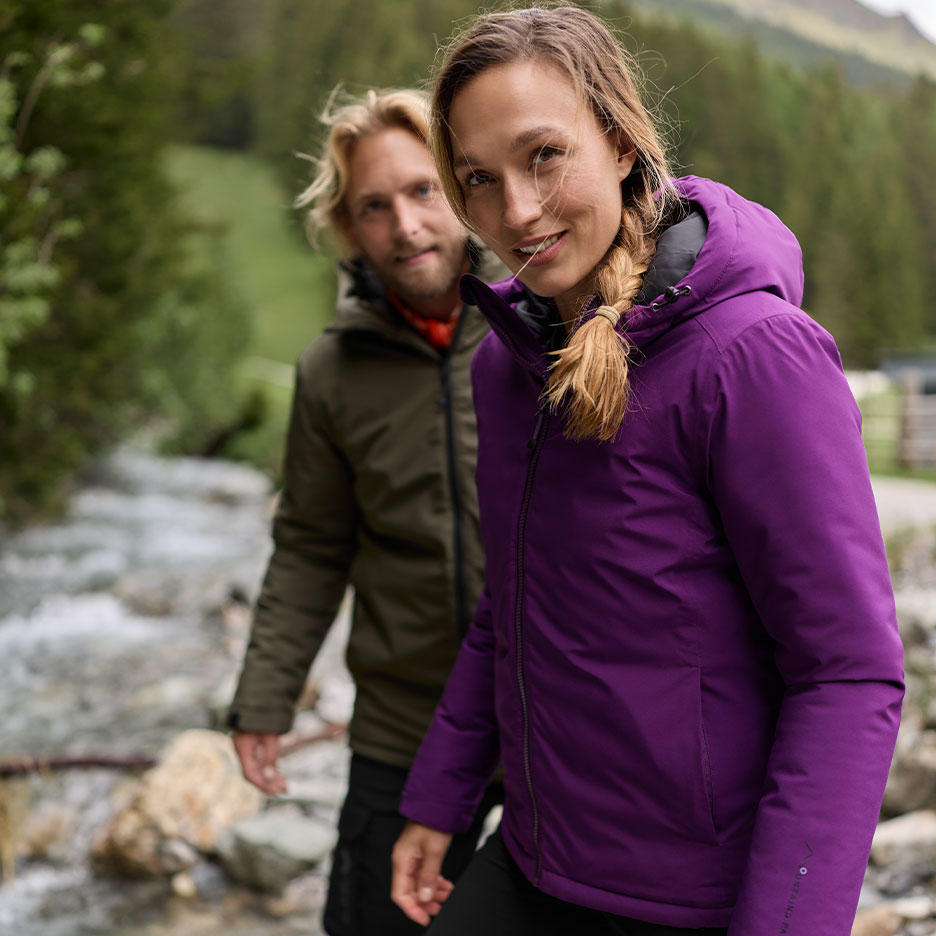
- The Outer Layer: A windproof or waterproof top layer—such as a ladies’ parka—can have a slightly more relaxed fit.
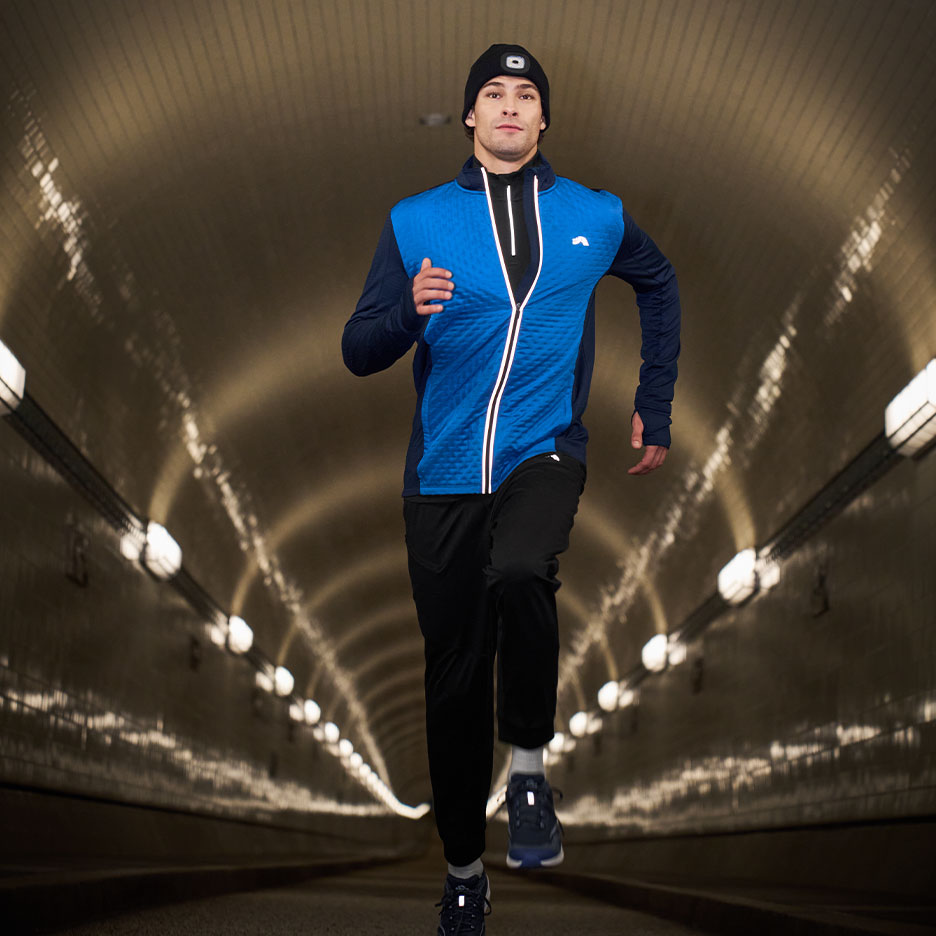
- The Details: Pay close attention to the fit of the cuffs and the length of the garment to ensure no heat escapes during movement. And don't forget: we lose a significant amount of heat through our heads, so always pack a hat!
Caring for your thermal gear
High-performance fabrics require specific care to maintain their properties.
- Washing: Always wash thermal leggings, socks, and shirts at low temperatures using liquid detergent.
- Avoid Softeners: Never use fabric softener, as it can clog the functional fibres and stop them from wicking moisture.
- Drying: Avoid the tumble dryer; air drying is always the best way to preserve the fit and function.
- Maintenance: Water-repellent outer layers can be retreated with a waterproofing spray after washing to ensure rain continues to bead off the surface.
Now, there’s no excuse—get out into the fresh air, whatever the forecast!