Padel Rules: What’s Allowed? Expert Guidelines Explained.
Padel is dynamic, tactical, and incredibly fun—but to play successfully and fairly, you must master the official regulations. Padel beginners often ask before their first match: What is allowed on the court, and what is a fault?
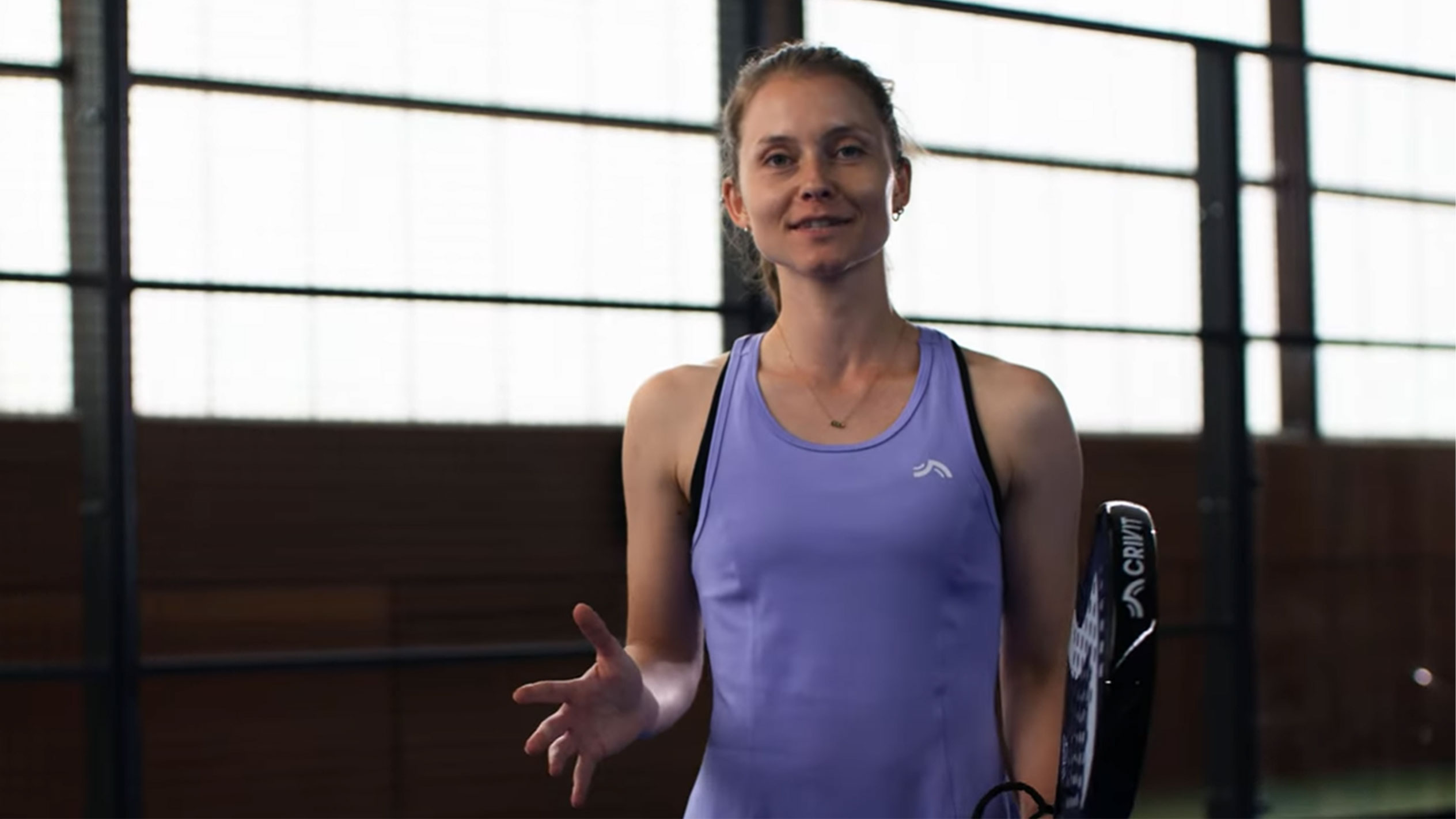
In this article, you will find a clear overview of the most essential rules—from the perfect serve to complex rallies and common mistakes. Padel professional Lana breaks down the rules step-by-step, offering practical tips on how to score legally and navigate the court safely.
Padel Rules: What You Need to Know
"Every sport has its own rules - but don't worry: in padel, they're quickly understood," says padel expert Lana. "It's not about doing everything perfectly - it's about knowing what's allowed."
With the most important basics, it becomes more relaxed on the court and it's easier to keep an overview between correct moves and fouls. This clarity makes the game even more fun.
These are the most important basic rules of padel:
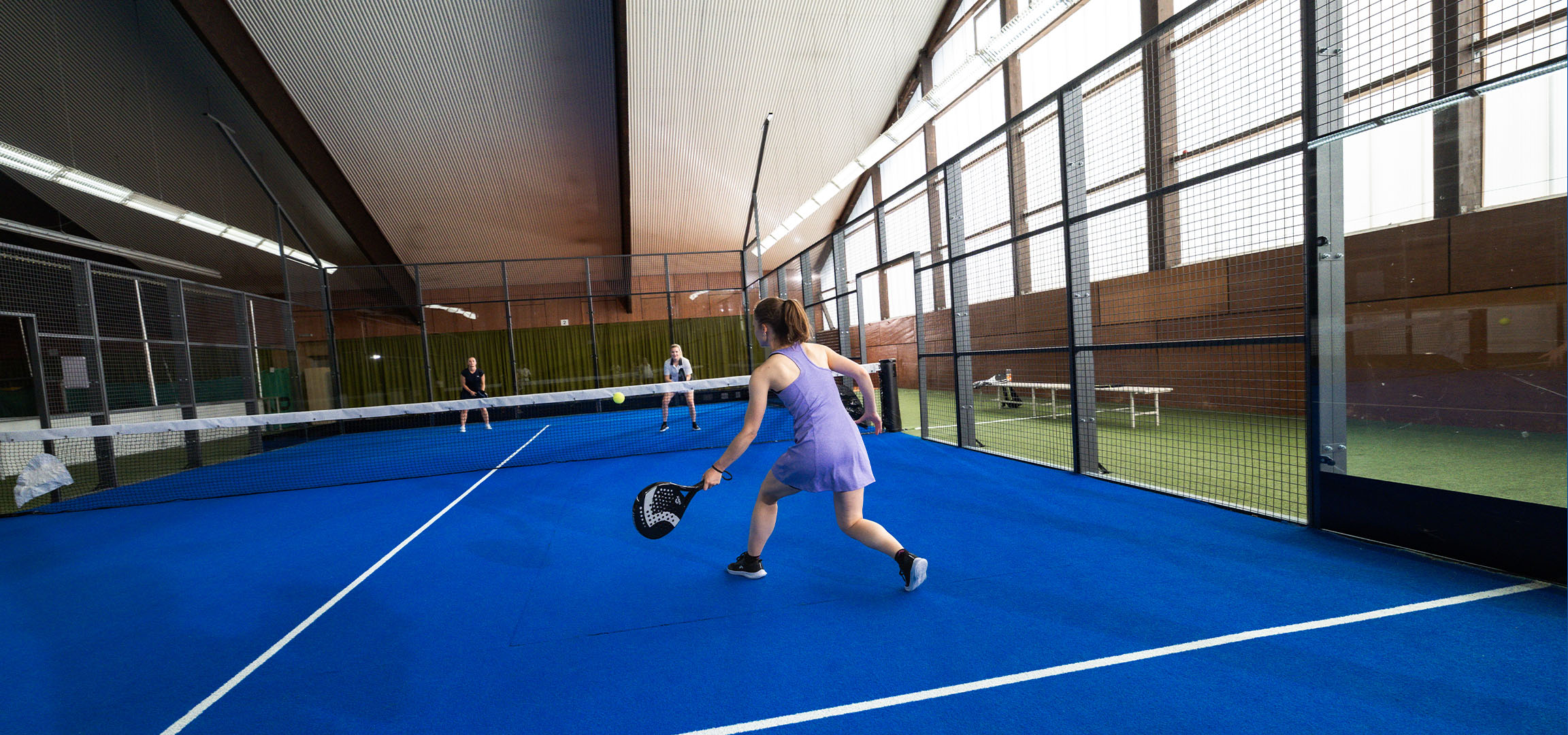
A characteristic feature of Padel is that the walls are not just a backdrop, but are part of the game: "After the first contact with the ground, the ball is allowed to touch the wall and then continue playing." The walls can even be used to tactical advantage, as Lana explains: "For example, you can play surprising angles and throw your opponent off their rhythm." However, for a shot to be valid, the ball must always touch the opponent's floor before hitting their wall. "If it comes straight off the wall into the opponent's court, the point is unfortunately lost."

The serve
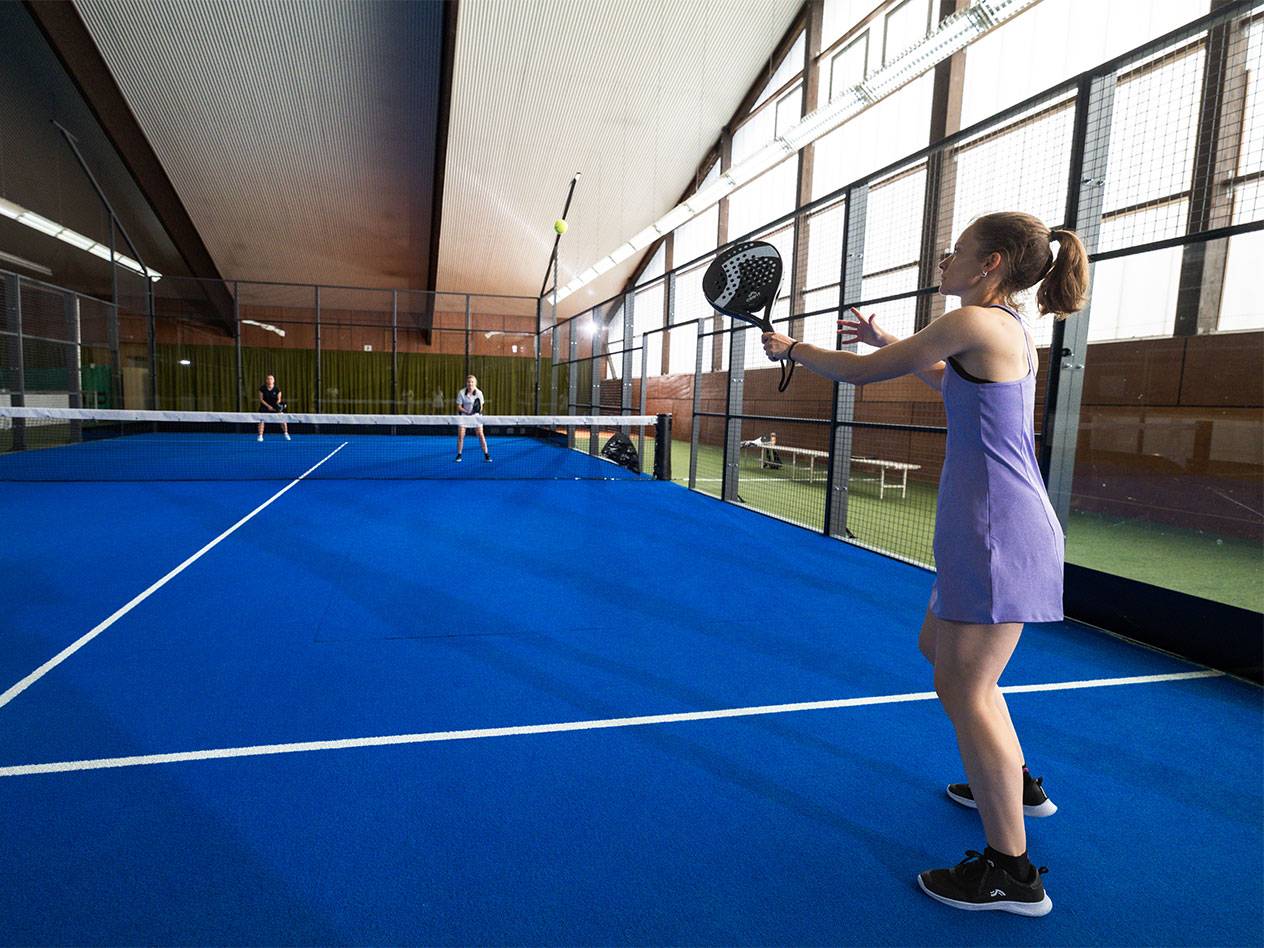
According to padel rules, the serve must be played underhand (from below the hips) into the diagonally opposite service box. "If the ball touches the net, that's no problem - as long as it lands correctly afterwards, the serve counts," adds the national padel player. (Note: This is typically played as a "Let," meaning the serve is taken again).
The counting method
The counting method follows the traditional tennis system: 15, 30, 40, and Game. To leave the court as the winner, you must win two out of three sets: "The game is usually played in best of three sets - so whoever wins two sets first wins the match."
Scoring
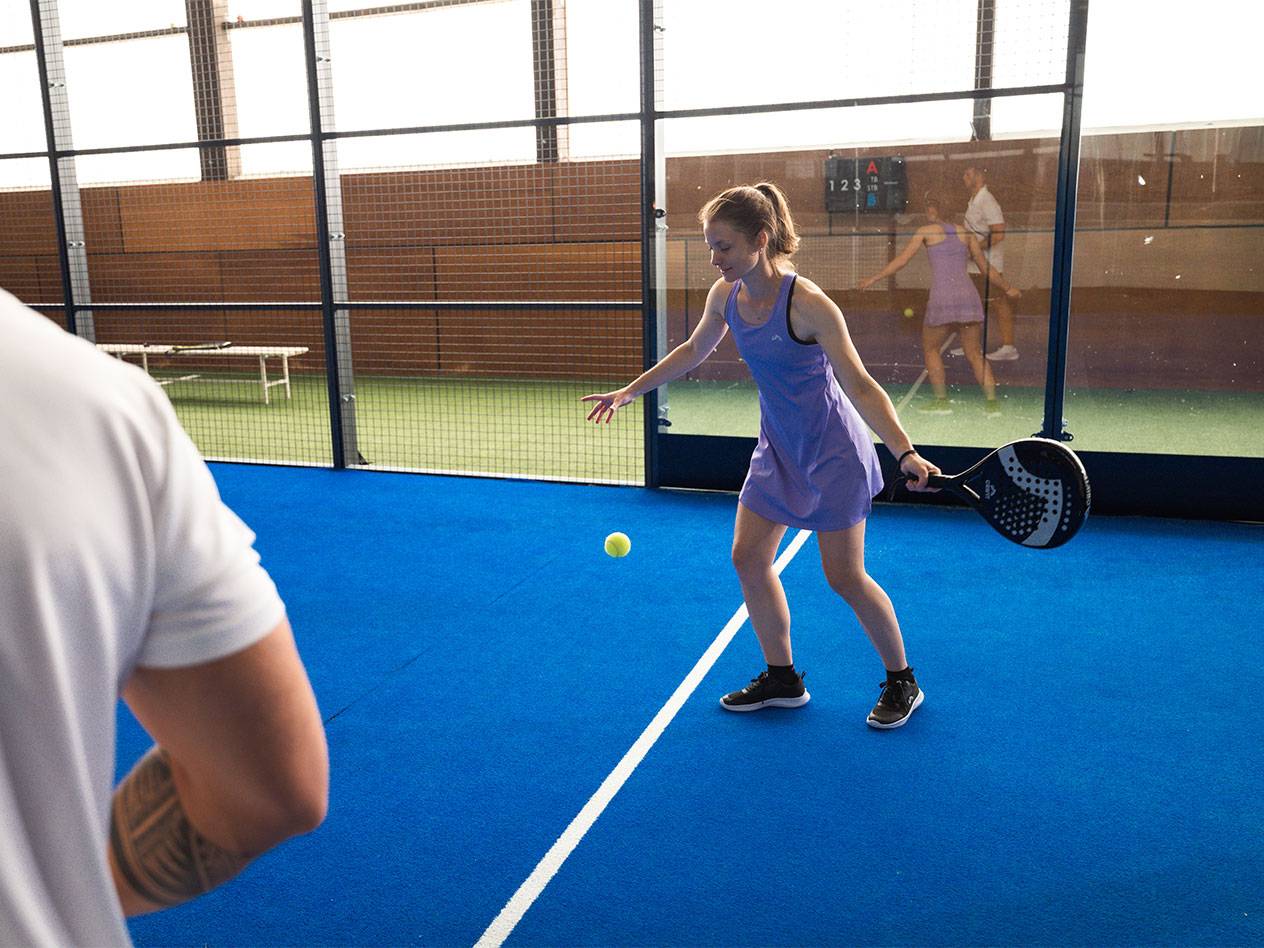
A point is scored whenever the ball bounces twice in the opponent's court or if the opponent hits the net. "However, if it hits the wall first and then the court, the ball is out - and the point goes to the opponent." Be careful near the middle of the court: "Whether with your racket or your body - [touching the net] always leads to the loss of points, so you should keep your distance even in the heat of the moment," recommends Lana.
The ball may only touch the ground once before being returned. Once it hits the ground, it is allowed to touch the walls. "As long as the ball touches the glass wall after the first bounce, it stays in play and you still have every chance," explains the expert. "But if it hits the wire mesh fence or the floor outside the court first, the ball is out."

Singles or doubles
As a rule, Padel is played in doubles—two against two. However, as a Padel pro, Lana knows: "You can also play padel in singles - one-on-one. There's a smaller court for this, which adjusts the paths a little." In singles, the physical demand is higher, making movement and tactics even more crucial.
Padel: Allowed or Not Allowed? (At a Glance)
The checklist format is excellent for scannability. I've cleaned up the phrasing to make the distinction between a "point won" and a "fault" even clearer.
- The ball hits the wall before it hits the ground: ❌ Fault. The ball must always touch the ground first.
- Serving with the hand above the hip: ❌ Fault. The serve must be hit from below the hip.
- Ball bounces twice on the opponent's side: ✅ Point for you. If the opponent doesn't return the ball after the first bounce, you win the point.
- Playing off the side wall after ground contact: ✅ Allowed. This is a key tactical move, especially in defense.
- Body contact with the ball: ❌ Fault. Only the racket may make contact with the ball.
Rule violations
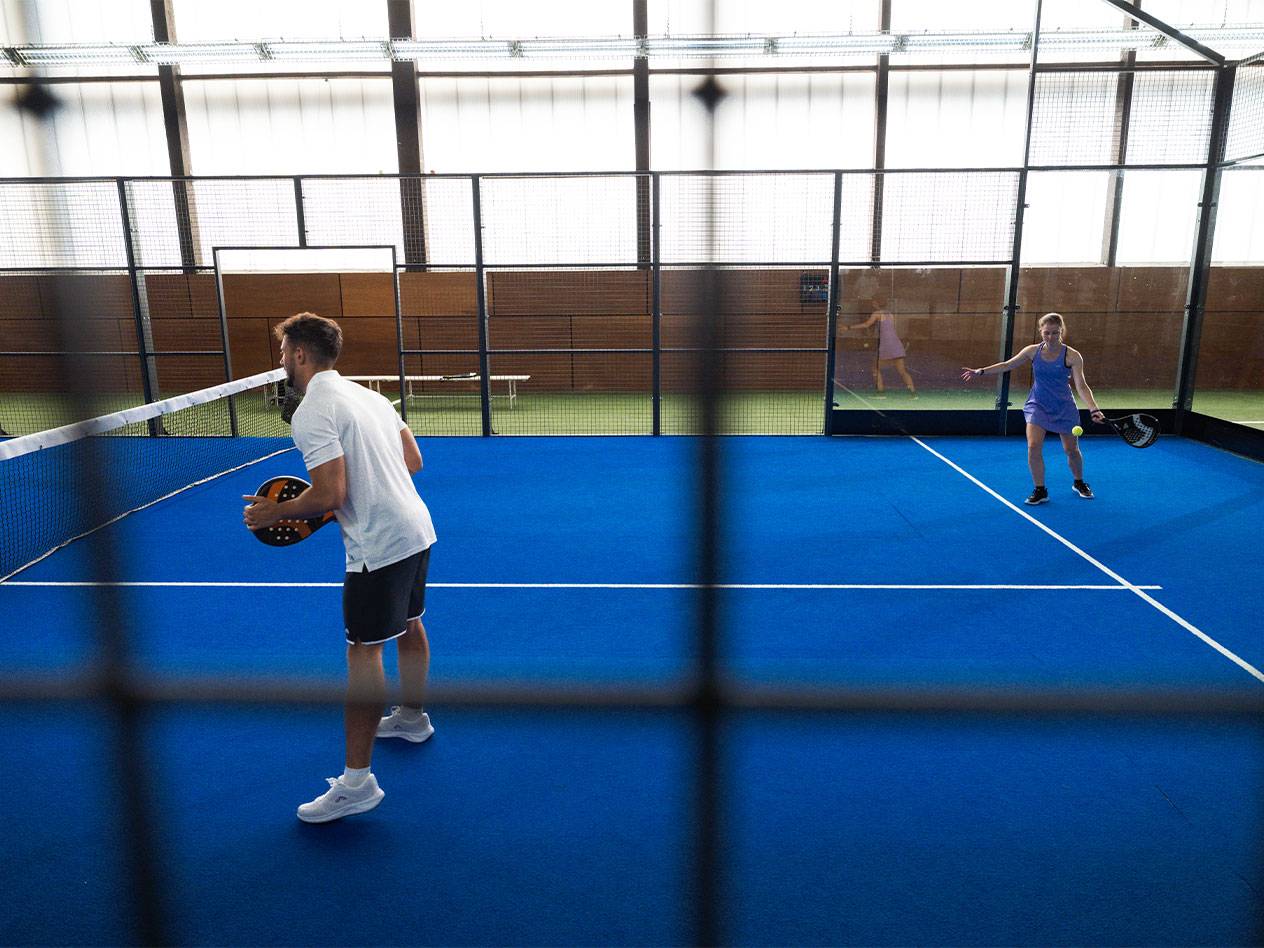
Rule violations can quickly become a disadvantage on the court and cost you valuable points. That's why national player and coach Lana recommends: "Learn the simple rules, such as the serving rules." These are simple but crucial.
Another tip for the flow of the game: "If you're unsure whether the ball was still in or not - just keep playing. This keeps the rhythm in the game and the fun and flow of the game is not lost through discussions - and in the end, what counts is that the game is played fairly." If you're playing doubles, communication is also an important factor. "Padel is a team game - so talk to each other about who takes which ball," advises the experienced player.
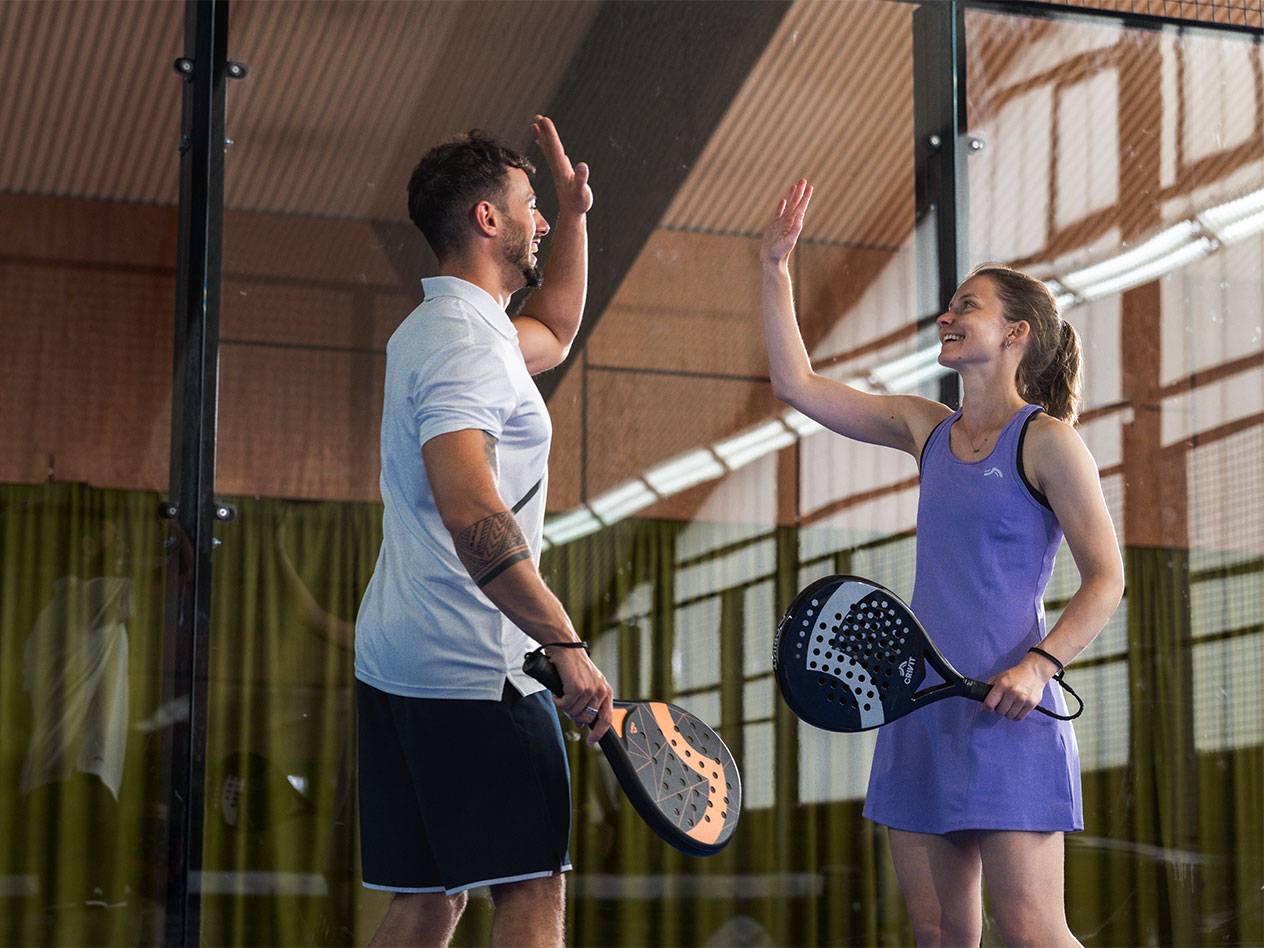
Understanding and applying padel rules
If you want to master Padel, knowing the rules is about more than just scoring—it’s about playing tactically. From the correct serve to utilizing the walls, a solid understanding ensures a smooth start.
Beginners, in particular, benefit from familiarizing themselves with these guidelines before their first match. Whether in doubles or singles, on a leisure court or at a tournament—knowing what is allowed makes you both safer and more successful.
So: racket in hand, rules in mind, and see you at the next match!
Frequently asked questions about the padel rules

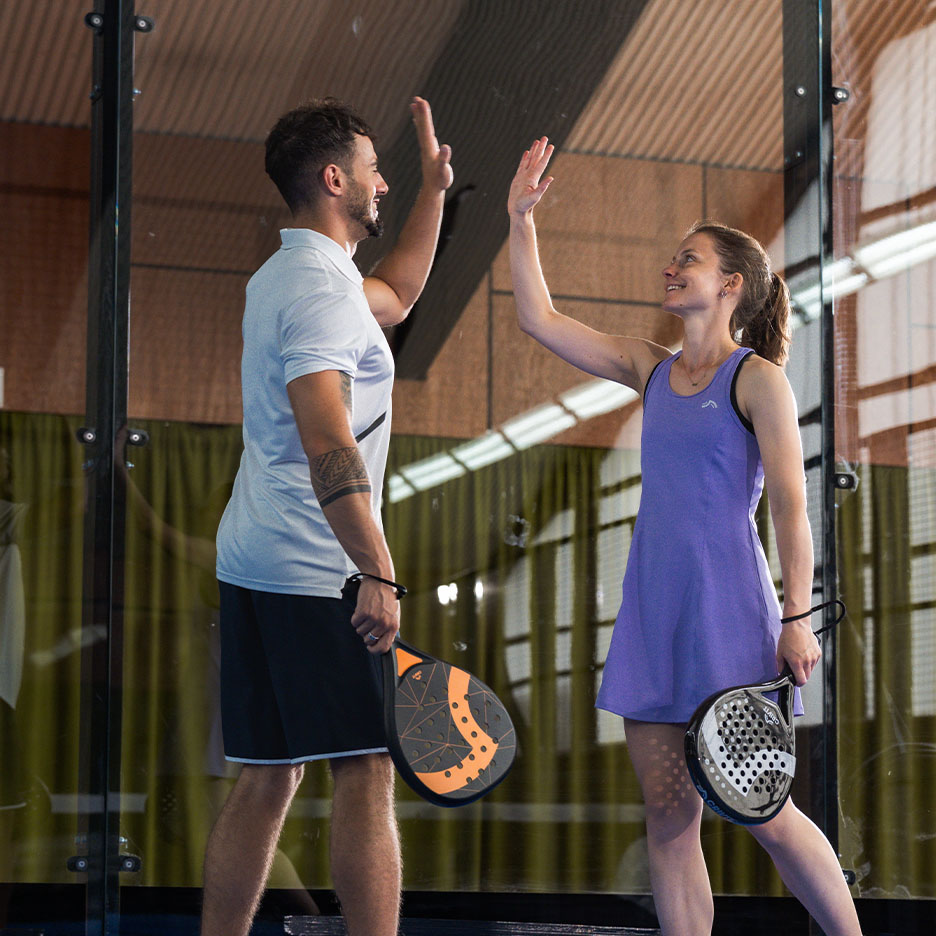
Profile of padel expert Lana
Name: Lana Büttner
Age: 33 years
Profession: Functional health coach, competitive athlete, national padel player
Sporting qualifications:
- Former tennis player
- National padel player for the German national team
- Holistic training to become a Functional Health Coach
That's what makes Lana special: Lana loves to accompany people holistically on their path to better health, well-being and performance. At the same time, she lives her passion for padel, trains intensively and plays in the German national padel team.